When to Replace Your K9 Bite Equipment: The Wear Signs That Matter
A worn sleeve, tug, or pillow teaches the wrong bite — and can fail in a session. The wear signs to check on every piece of bite equipment, and when repair is enough.
Introduction: Worn Equipment Teaches the Wrong Lesson
Bite equipment wears out. It is supposed to: every session, a dog's teeth, jaws, and body weight work against fabric, stitching, padding, and straps, and that work adds up. The question is not whether a sleeve, suit, tug, or pillow will wear — it is whether the trainer notices in time.
A worn tool does two kinds of damage. The first is to the dog: a pillow that has gone soft in the middle teaches a shallow grip, a tug with a frayed handle teaches the dog to bite the handle, and a sleeve whose padding has thinned lets the dog feel the arm underneath. The dog learns from every bite, including the bites on damaged equipment.
The second kind of damage is to safety: a seam that opens mid-session, a strap that slips, a handle that tears free — each turns a controlled exercise into an uncontrolled one, and the person at risk is usually the decoy. Bite work is safe because the equipment is sound; when the equipment stops being sound, the safety margin goes with it.
This guide explains what to check on each piece of bite equipment, how to tell repair from replacement, and how to build a check into every session. Bite work should only be taught by an experienced decoy and trainer. Never improvise protection training at home.
Bite Sleeves: What Fails First
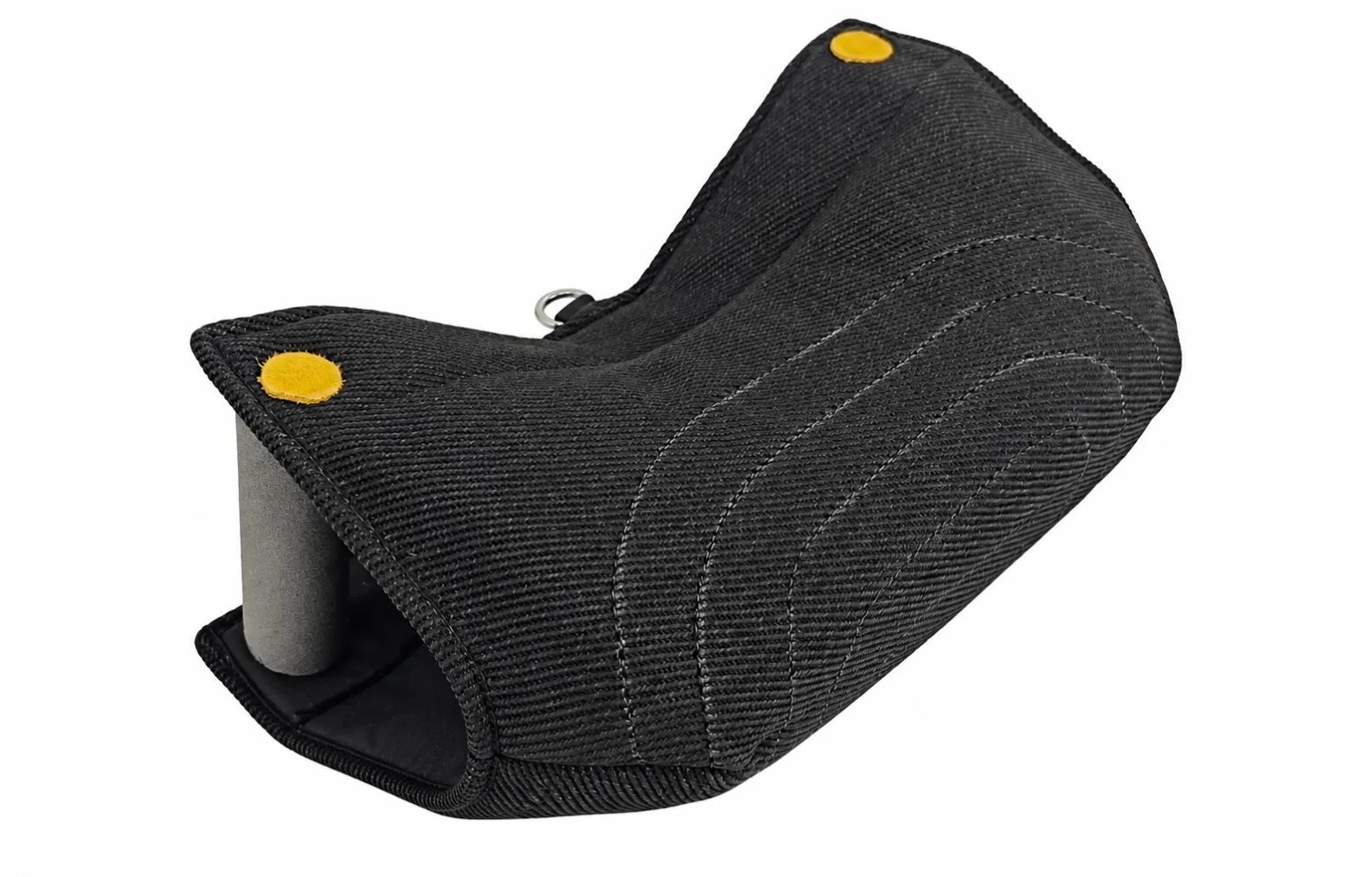
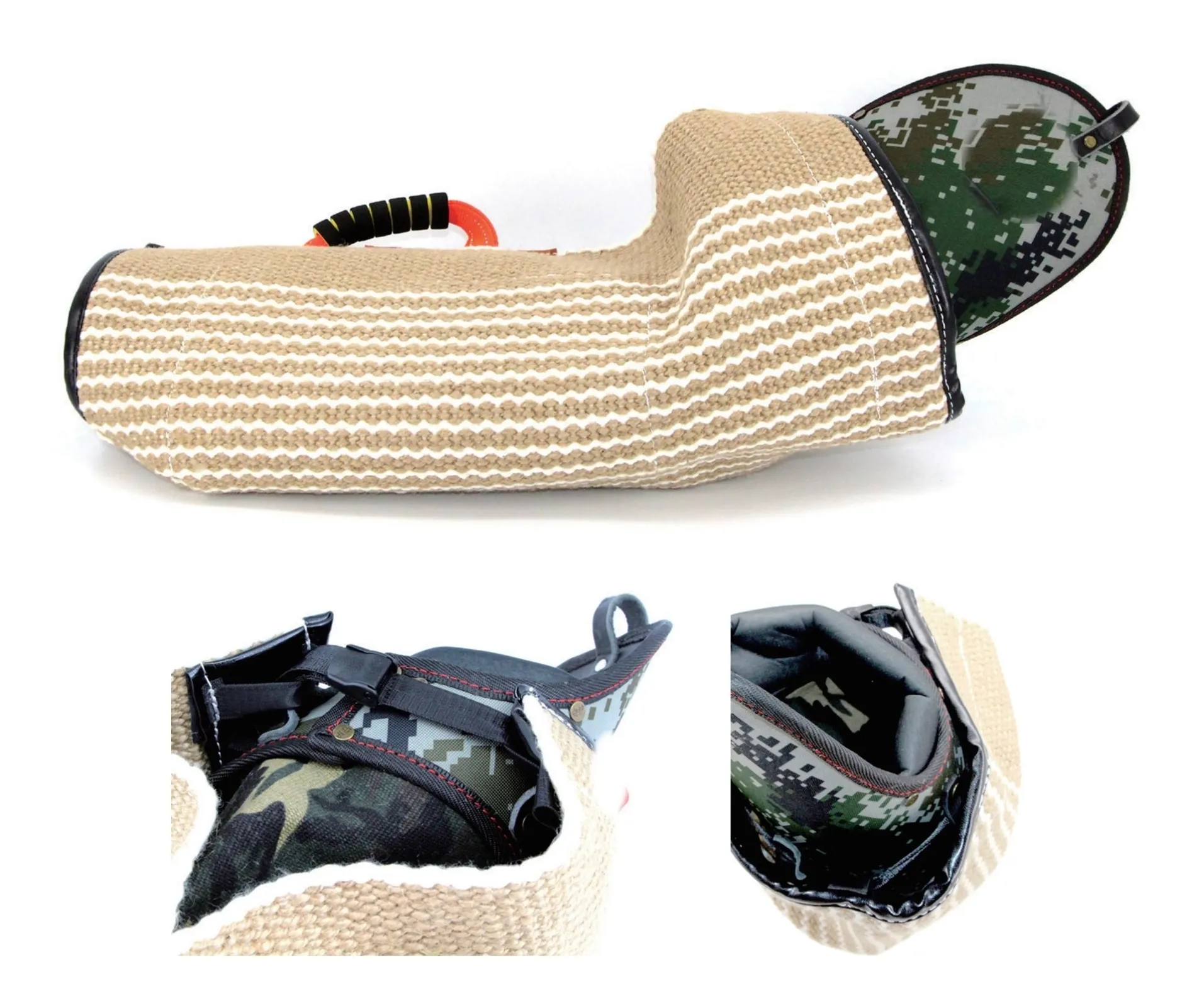
A bite sleeve takes the hardest punishment of any single piece of equipment, absorbing the full force of the bite on one arm, session after session. The first thing to fail is usually the outer cover: the fabric thins, the weave opens, and the dog's teeth start to catch where they used to slide. A thinned cover is not just cosmetic — it changes the grip the dog learns, and it warns that the padding underneath is next.
Check the padding by pressing along the whole sleeve: it should feel even, firm, and springy. Soft spots or shifted padding mean the sleeve no longer protects evenly, and the dog will feel it first. Check the stitching where the sleeve meets the handle and where the panels join — any opening, however small, will grow under the next bite. Check the straps too: a stretched strap will not hold the sleeve tight, and a sleeve that rotates during a bite is not protecting the arm.
If the sleeve has a replaceable cover, a worn cover is a repair, not a replacement — fit a new cover and check the padding again. If the padding itself has failed, the sleeve has reached the end of its working life. For how sleeve design affects the bite and the handler's protection, see: https://www.poochin.com/posts/k9-bite-sleeve-design-handler-protection-bite-experience
Bite Suits: Seams, Padding, and Fit
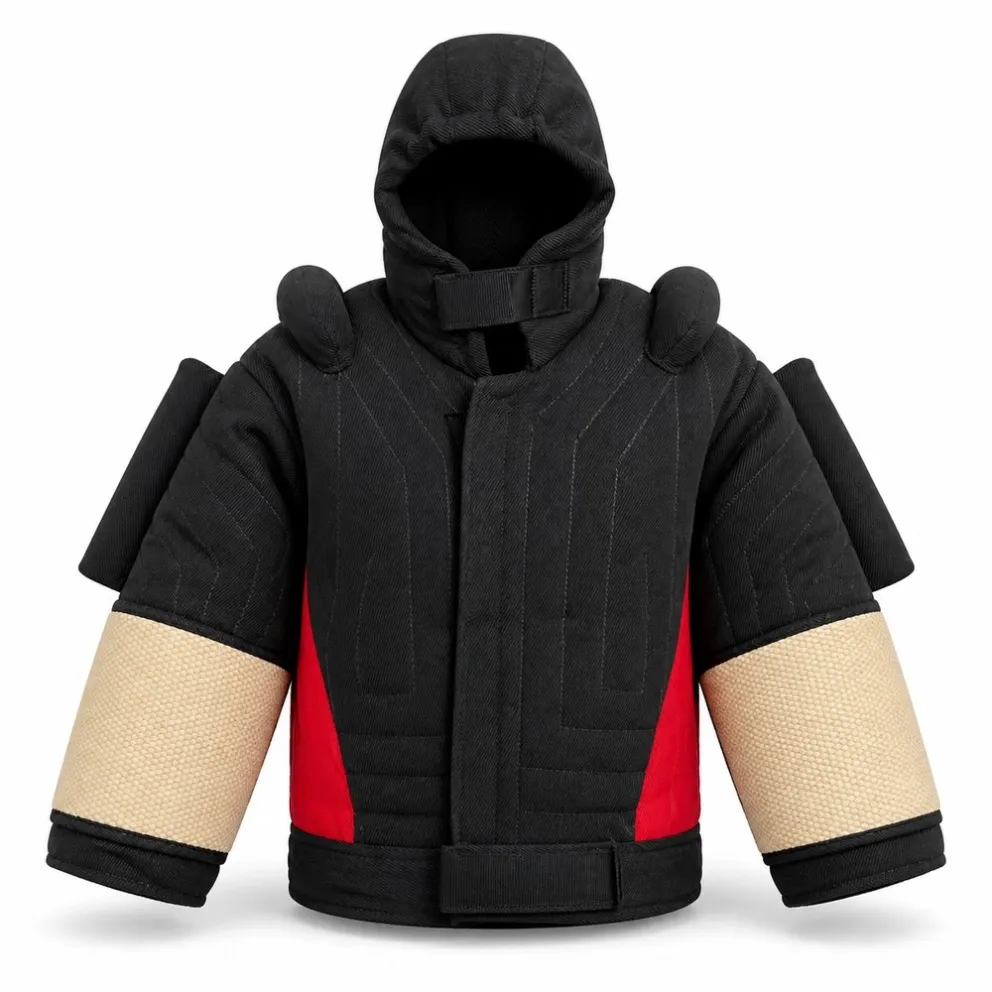
A bite suit spreads the work across the whole body, but it fails in the same places: seams, padding, and fit. Start with the seams, especially at the shoulders, the inside of the arms, and the crotch — the points where the suit is pulled hardest when the dog bites and the decoy moves. A seam that has opened even a finger's width will open further in the next session, and a suit that opens during a bite leaves the decoy unprotected.
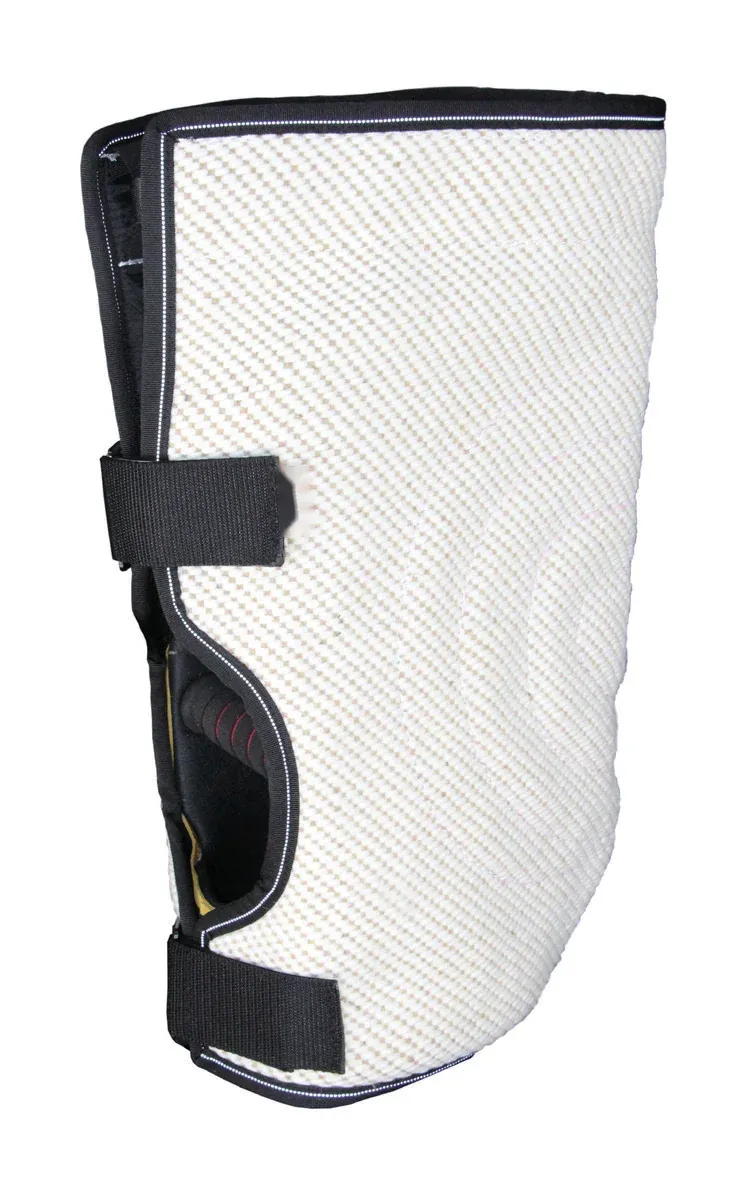
Check the padding the same way as a sleeve: press it, feel for thin spots and shifted filling, and look for places where the outer fabric has gone shiny or thin. A suit whose padding has settled unevenly no longer protects evenly, and the dog will find the thin spots quickly. Check the fit as well: a suit that has stretched will move on the body during a bite, and a suit that moves does not protect where it should.
Zips, buckles, and closures deserve a check of their own: a zip that sticks, a buckle that no longer holds, or a strap that has frayed will fail when it is needed most. Suits are the most expensive item in the kit, so a professional repair to a seam or a zip is worth doing properly, provided the padding underneath is still sound. For how to choose a suit, see: https://www.poochin.com/posts/what-is-a-k9-bite-suit
Tugs, Pillows, and Rags: Stitching and Shape
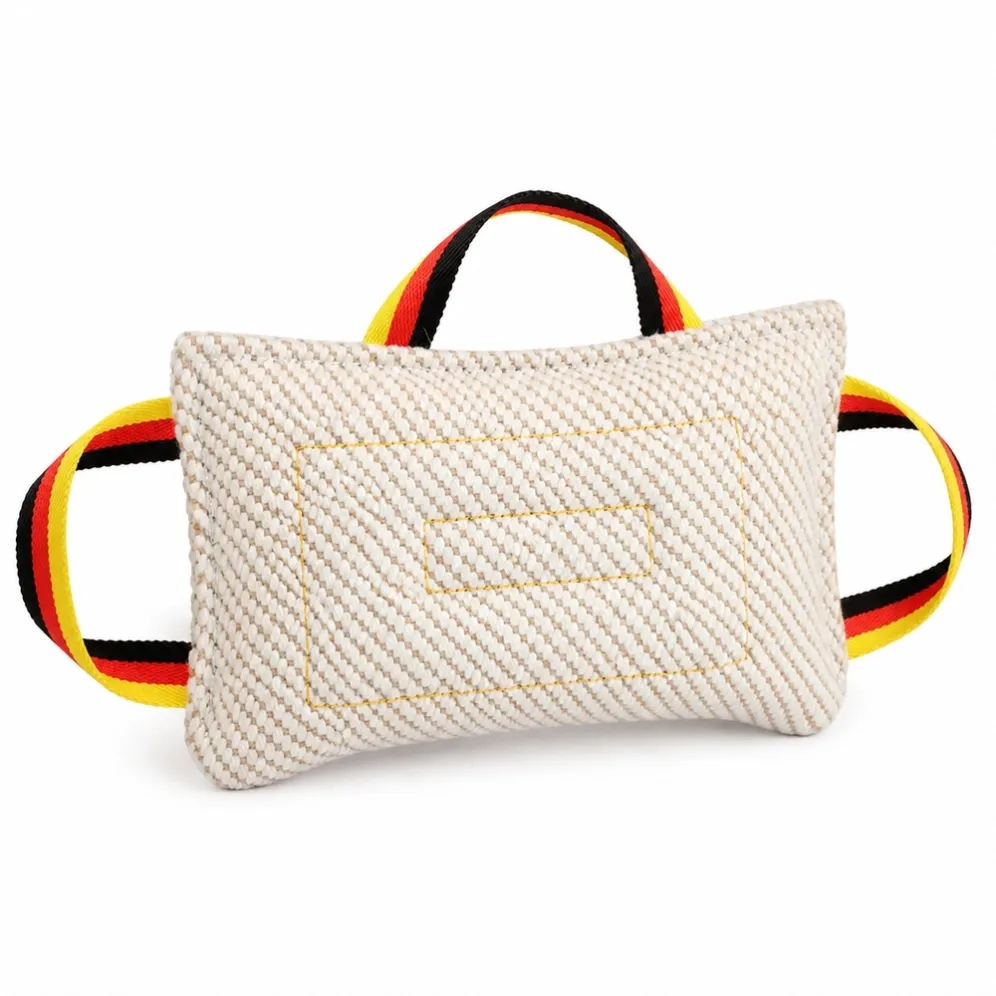
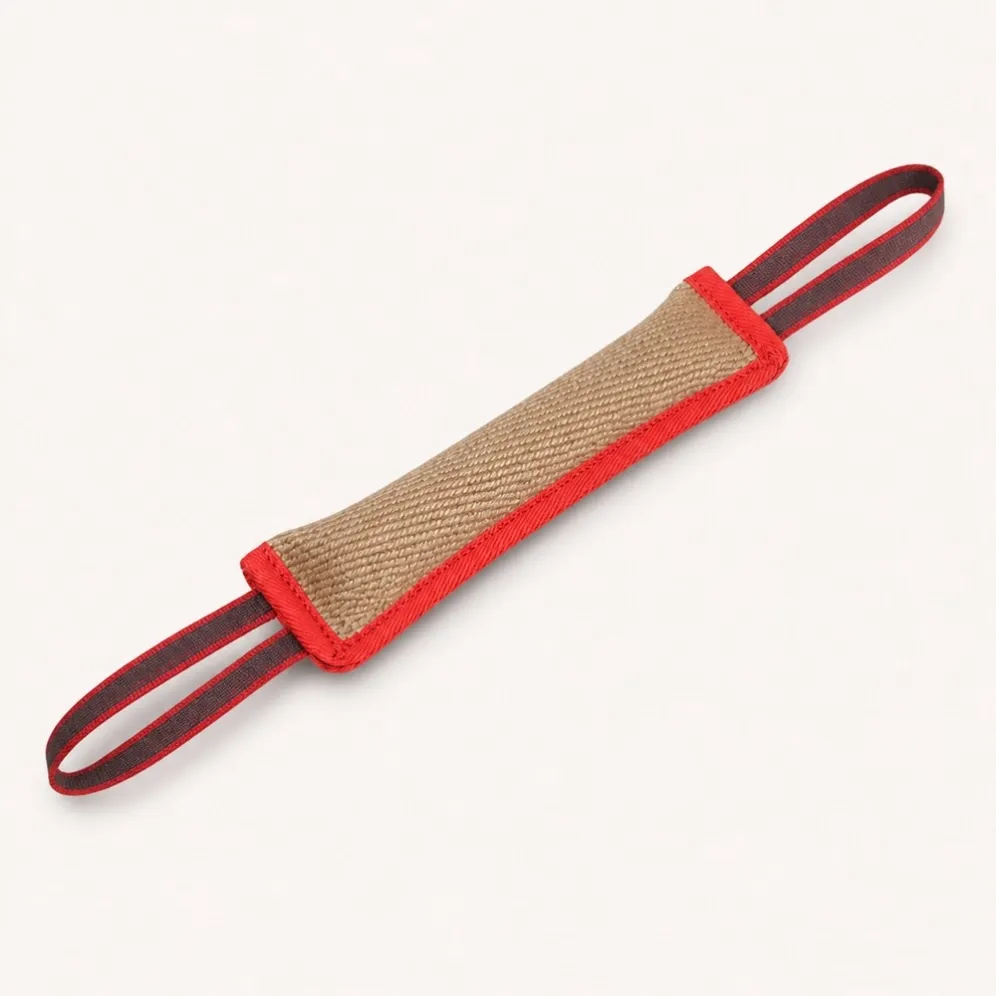
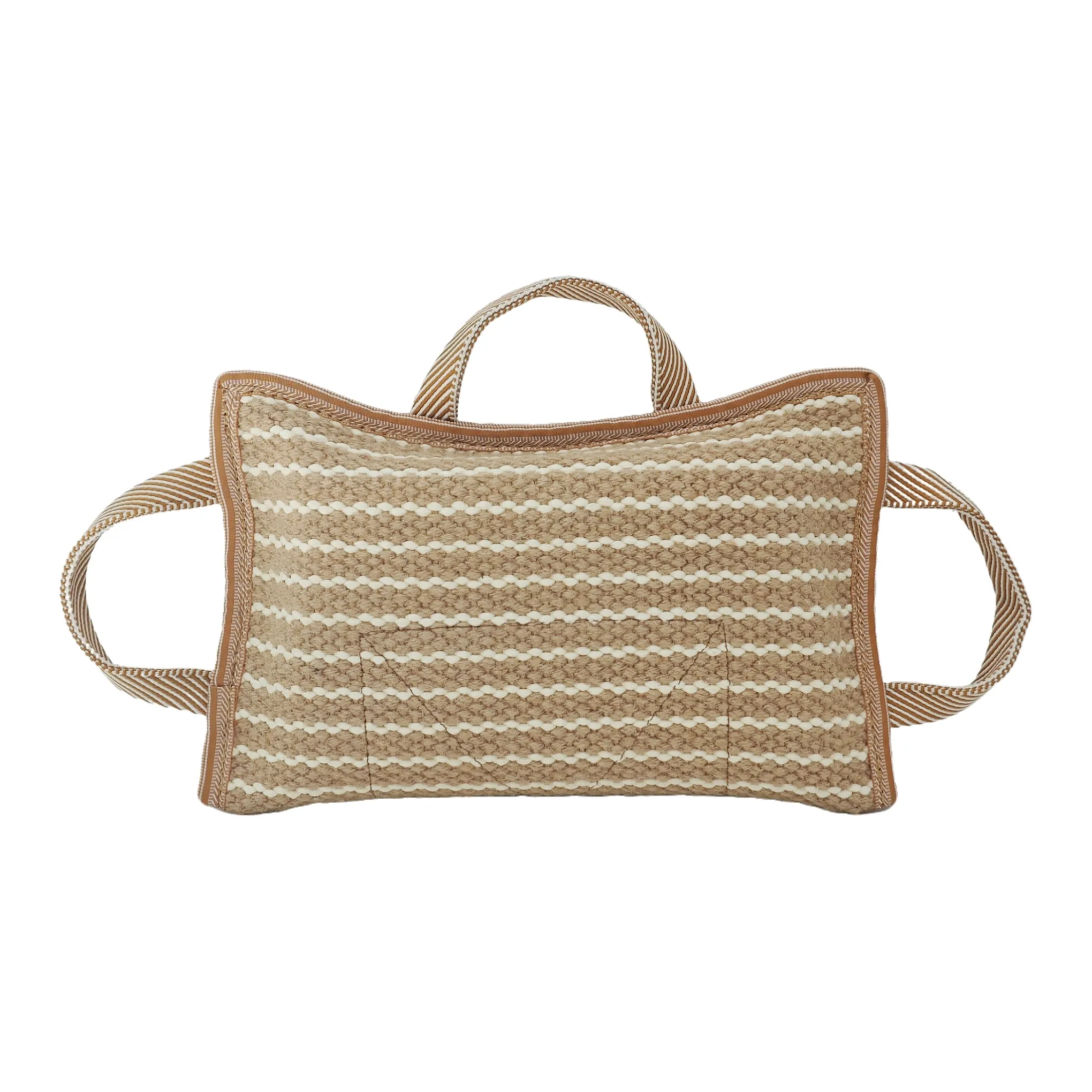
Tugs, pillows, and rags fail more quietly than sleeves and suits, because they are smaller and cheaper — which is exactly why they are easy to overlook. The first sign is usually the stitching: a tug's handle stitching loosens, a pillow's edge seam opens, or a rag's handle pulls away from the body. Any of these changes what the dog is rewarded for biting: a dog that grips the centre of a tug will start gripping the loose handle instead, and that habit will follow it to the sleeve.
The second sign is shape. A pillow that has gone soft in the middle no longer presents a broad, even target, and a dog that bites it will learn a shallow grip without anyone noticing — until it shows up on the sleeve. A tug that has lost its stiffness folds in the dog's mouth instead of holding its shape. Squeeze, bend, and look at every tug and pillow before the session: if it no longer holds its shape, it no longer teaches the right bite.
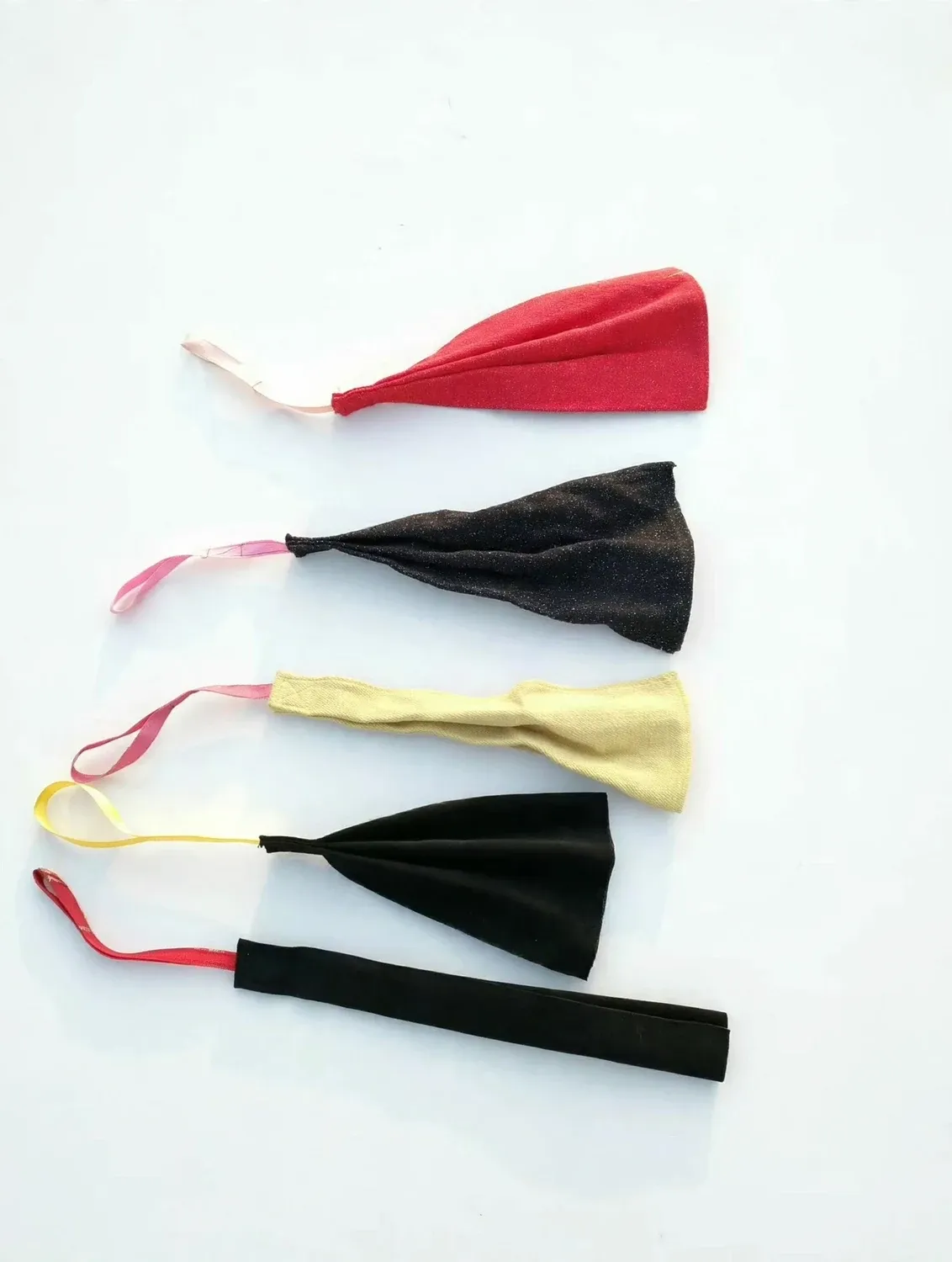
Rags wear fastest of all, because they are soft by design. A rag that has thinned, frayed, or lost its handle should be replaced, not repaired — it is the cheapest item in the kit, and a fresh rag costs less than retraining a grip. For how pillow materials compare on durability, see: https://www.poochin.com/posts/k9-bite-pillow-materials-durability-guide
Muzzles: Straps, Buckles, and Fit
Muzzles are checked less often than bite equipment, because they are not bitten in the same way — but a muzzle that fails is a muzzle that comes off, and a dog without its muzzle in the wrong place is a serious problem. Check the straps first: leather straps dry, crack, and stretch, and a stretched strap will not hold the muzzle in place. Check the buckles and rivets for wear, and the basket for cracks, bent wires, broken stitching, or any sharp edge where the material has worn through.
Fit matters as much as condition. A muzzle that fitted a young dog may not fit the same dog a year later: one that is too loose can be pawed off, while one that is too tight restricts the dog. Check the fit every time the dog has grown, changed weight, or had a long break from muzzle work. A muzzle is a safety device before it is a training tool: if there is doubt about a strap, a buckle, or the fit, replace it rather than risk it.
Repair or Replace: How to Decide
Not every worn item needs replacing. A sleeve cover can be replaced while the sleeve underneath is sound; a seam can be restitched, a zip replaced, a strap renewed — provided the work is done properly and the item is checked again afterwards. The test is simple: after the repair, does the item feel, look, and behave like it did when it was new? If it does, the repair was enough. If the padding is still thin, the shape still wrong, or the fit still loose, the repair was only cosmetic, and the item should be replaced.
Three conditions always mean replacement, not repair: failed padding — padding that has thinned, shifted, or gone flat cannot be repaired, because it is the protection itself; structural damage — fabric torn across the weave, leather cracked through, or a basket broken; and a safety failure — a buckle, strap, or closure that cannot be trusted to hold. In each case, the cost of a new item is small beside the cost of an injury or a ruined grip. Keep a note of what was repaired, when, and by whom: for a club or a team, that record stops the same item being repaired twice and failing the second time.
A Session Check That Takes Two Minutes
The best time to check equipment is before the session, not during it. A two-minute check catches almost every failure before it matters: pick up each item that will be used, look at the seams and stitching, squeeze the padding, pull the handles and straps, and check the buckles and closures. Then check the fit — does the sleeve sit tight on the arm, the suit right on the decoy, the muzzle right on the dog? Anything that fails stays out of the session, and anything borderline is noted for repair or replacement before the next one.
Make the check a habit, not an event, and keep a simple log: item, date, condition, action. It takes minutes, and it prevents the two outcomes nobody wants — a hurt decoy and a dog that has learned the wrong bite.
Comparison Table
| Item | Check first | Repair | Replace |
|---|---|---|---|
| Bite sleeve | Cover wear, padding evenness, strap hold | New cover; restitch a seam | Padding thinned or shifted; sleeve rotates on the arm |
| Bite suit | Seams at shoulders and arms, padding, fit | Restitch a seam; replace a zip | Padding failed; fabric torn across the weave; fit lost |
| Bite tug | Handle stitching, shape, stiffness | Restitch a handle | Tug folds in the mouth; handle pulling free |
| Bite pillow | Edge seams, soft spots in the middle | Restitch an edge seam | Pillow gone soft in the middle; no longer holds shape |
| Bite rag | Thinning, fraying, handle wear | Usually not worth repairing | Thinned, frayed, or handle loose |
| Muzzle | Straps, buckles, basket, fit | Replace a strap or buckle | Basket cracked or broken; fit no longer right |
Trainer Checklist: Is This Equipment Still Safe to Use?
- Look at every seam and stitch line on each item before the session.
- Squeeze the padding on sleeves, suits, and pillows — is it even, firm, and springy?
- Pull each handle and strap firmly — does anything give, slip, or open?
- Check every buckle, zip, and closure — do they hold under a pull?
- Hold each tug and pillow up — does it still hold its shape, or does it fold?
- Check the fit on the person and the dog, not just on the shelf.
- Anything that fails stays out of the session — no exceptions.
- Note borderline items for repair or replacement before the next session, and keep the log.
FAQs
How often should I check my bite equipment?
Before every session, with a quick two-minute check, and more thoroughly once a month or after any hard session. The quick check catches failures; the monthly check catches wear.
Can I keep using a sleeve with a worn cover?
Yes, if the padding underneath is still sound — fit a new cover and check the padding again. If the padding has thinned or shifted, the sleeve should be replaced, cover or no cover.
Is it worth repairing a bite suit?
Yes, if the padding is sound and the damage is limited to a seam, a zip, or a strap. A professional repair can extend a suit's life well. If the padding has failed or the fabric has torn across the weave, replace the suit.
My tug looks fine but feels softer than when it was new. Is it still usable?
Probably not for grip work. A tug that has lost its stiffness teaches the dog to bite a collapsing target. Replace it, and keep the old one only for play if it is still safe.
How do I know if a muzzle still fits?
Check it on the dog: it should sit securely without pressing, allow the dog to pant, and stay in place when the dog shakes its head or paws at it. If the dog has grown or changed weight since the muzzle was bought, check the fit again from scratch.