Bite Pillow vs Bite Tug: Choosing the Right Training Tool for Your Dog
Bite pillow or bite tug? What each training tool is for, how the material and size change the training, and how to use them together as the dog progresses.
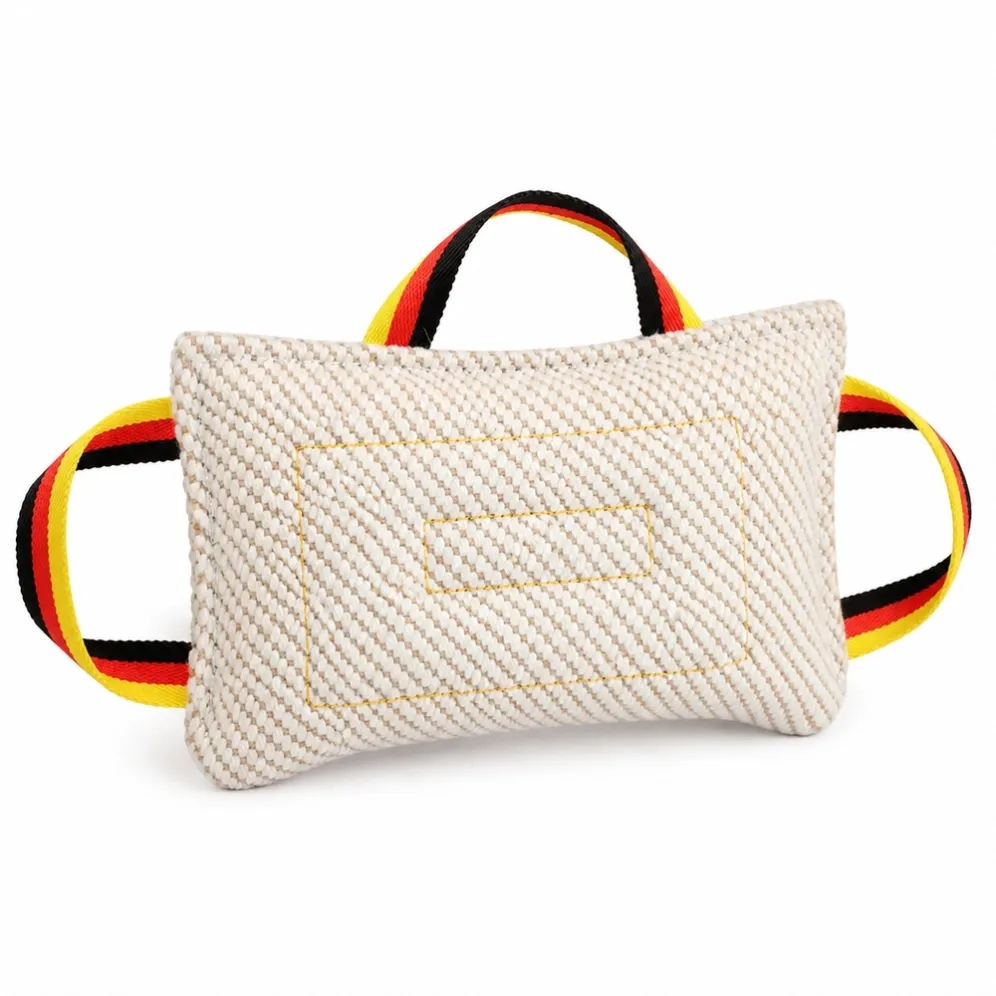
A bite pillow and a bite tug look similar at first glance: both are padded targets the dog bites, holds, and pulls against. Trainers who are new to bite work often ask which one to buy, as if the choice were either-or. It is not. The pillow and the tug do different jobs, and most training programmes need both — at different stages, for different purposes, and sometimes in the same session.
The difference is in what the tool asks the dog to do. A bite pillow is a broad, flat target that the trainer presents and holds, so the dog learns to bite full and deep, and to hold the bite while the trainer moves. A bite tug is a narrower target with handles that the trainer pulls against, so the dog learns to grip, to pull, and to keep holding while the tug moves and resists. One builds the bite; the other builds the fight in the bite.
This guide explains what each tool is for, how the material and size change the training, and how to use them together as the dog progresses. It is written for trainers, decoys, clubs, and schools that buy equipment for their own use or for a team. Bite work should only be taught by an experienced decoy and trainer. Never improvise protection training at home.
For the single-tool guides, see: https://www.poochin.com/posts/how-to-choose-k9-bite-pillow and https://www.poochin.com/posts/how-to-choose-k9-bite-tugs
What a Bite Pillow Is For
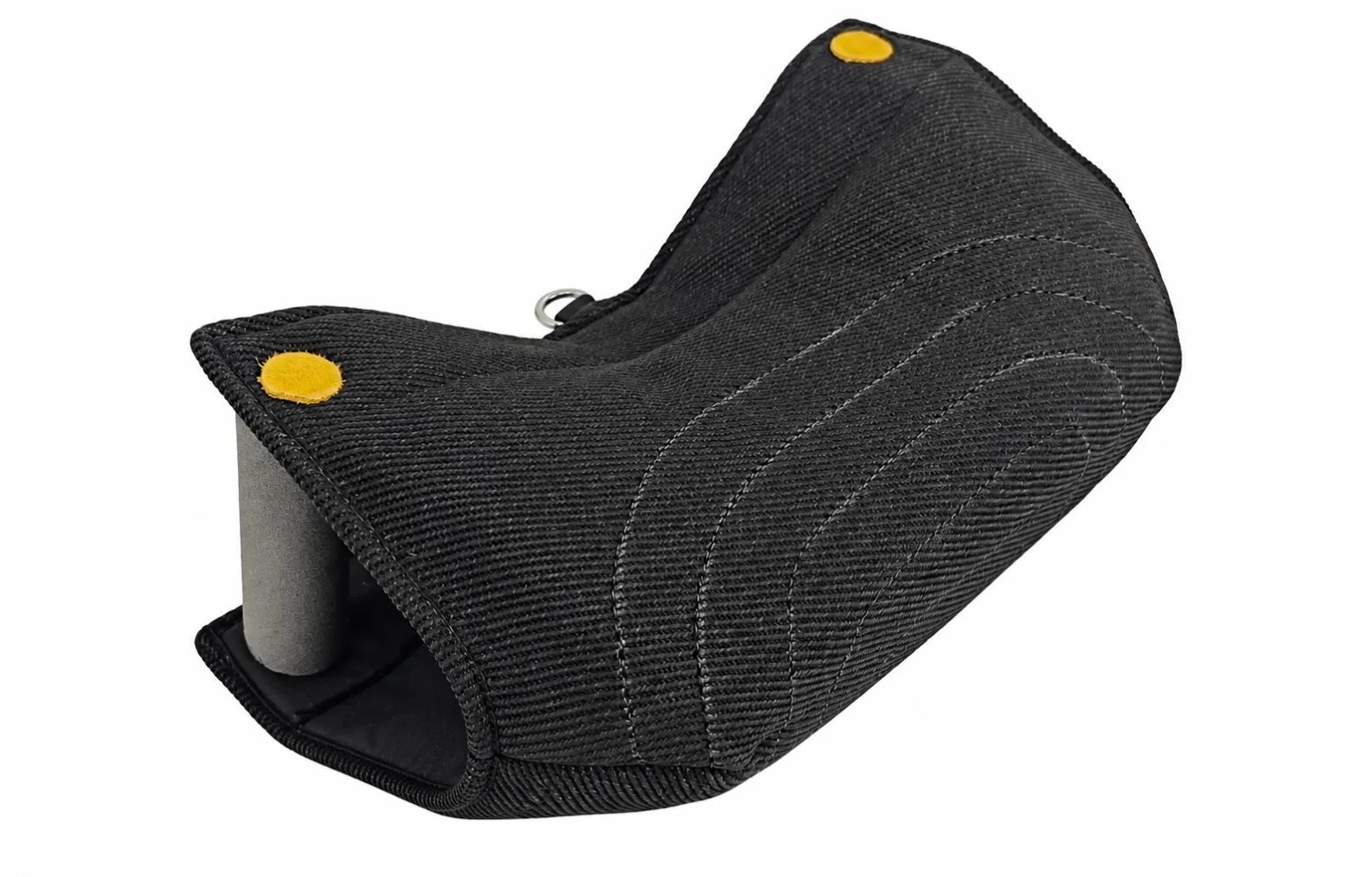
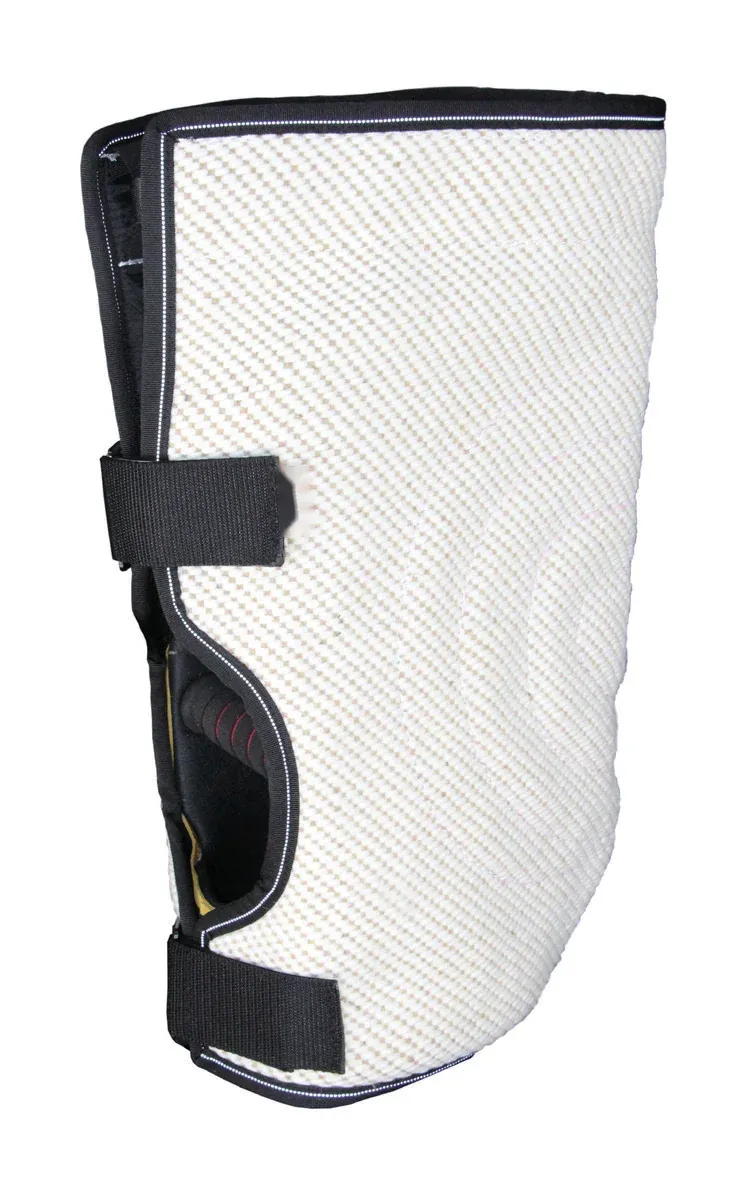
A bite pillow is a wide, flat, padded target, usually with handles on the back so the trainer can hold it firmly against the body or present it at different angles. Its size is its point: the dog is presented with a large surface, and the natural response is a full, deep bite in the centre of the pillow. That is why the pillow is the tool for teaching and fixing the grip itself.
Use a pillow when the dog is learning to bite, when the grip needs to be deepened, or when a dog has started biting shallow or at the edge of a target. The trainer can present the pillow still, so the dog has time to take a full grip, and can then move slowly while the dog holds. Because the pillow is held against the trainer's body, the dog also learns to commit to a target that is close to a person — a step towards the bite suit and the sleeve. For how bite work changes as the dog grows, see: https://www.poochin.com/posts/k9-bite-training-gear-by-age
The pillow is also the safer tool for building confidence in a young or unsure dog. It does not move away quickly, it does not pull back hard, and it gives the dog a clear win: a full grip, held well, praised and rewarded. A dog that is confident on the pillow will take that confidence into the tug work that follows.
What a Bite Tug Is For
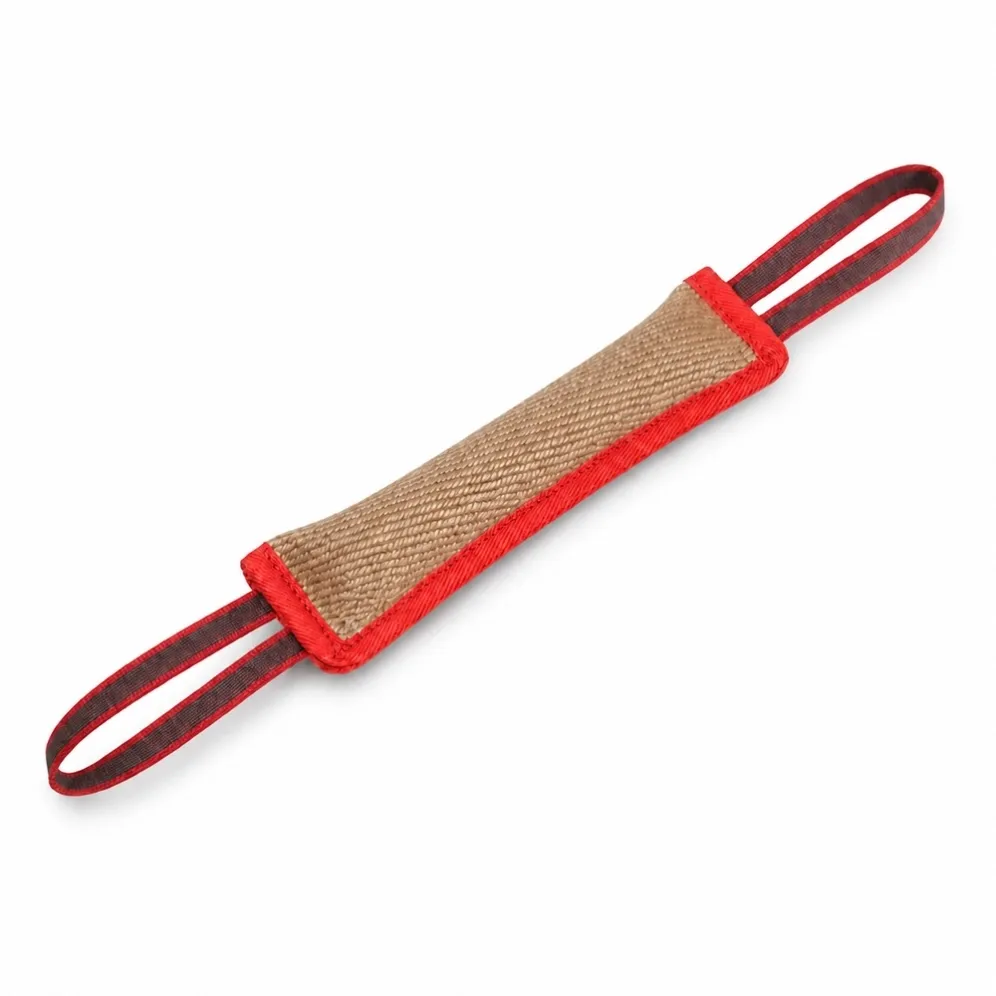
A bite tug is narrower and longer than a pillow, with one or two handles, and it is made to be pulled. The trainer holds the handles and pulls against the dog, so the dog learns to grip hard, to hold through movement and resistance, and to keep the grip while the tug is shaken, lifted, or dragged. Where the pillow teaches the dog how to bite, the tug teaches the dog to keep biting when the target fights back.
Use a tug when the grip is already full and the training goal is drive, endurance, and control. The tug is the tool for building the dog's willingness to hold through a struggle, for teaching the out on command, and for rewarding the dog with a game of tug after a good exercise. It is also the more portable tool: a tug fits in a kit bag, needs no decoy, and can be used for short sessions between formal training days.
Size matters here. A longer tug gives the trainer more room to work and keeps the dog's teeth further from the trainer's hands; a shorter tug is easier to carry and to use in tight spaces. For how size and handle layout affect the choice, see: https://www.poochin.com/posts/bite-tug-size-handle-guide
Materials: What Each One Does
The material of a pillow or tug changes how the dog experiences the bite, and it should be chosen for the training purpose, not for appearance. Jute is the standard material for bite work: it is tough, it gives the dog a firm grip, and it stands up to repeated sessions. Poochin's bite pillows and tugs are made in jute, and it is the material to start with for most dogs and most training. For a comparison of jute with other bite materials, see: https://www.poochin.com/posts/french-linen-vs-jute-bite-material
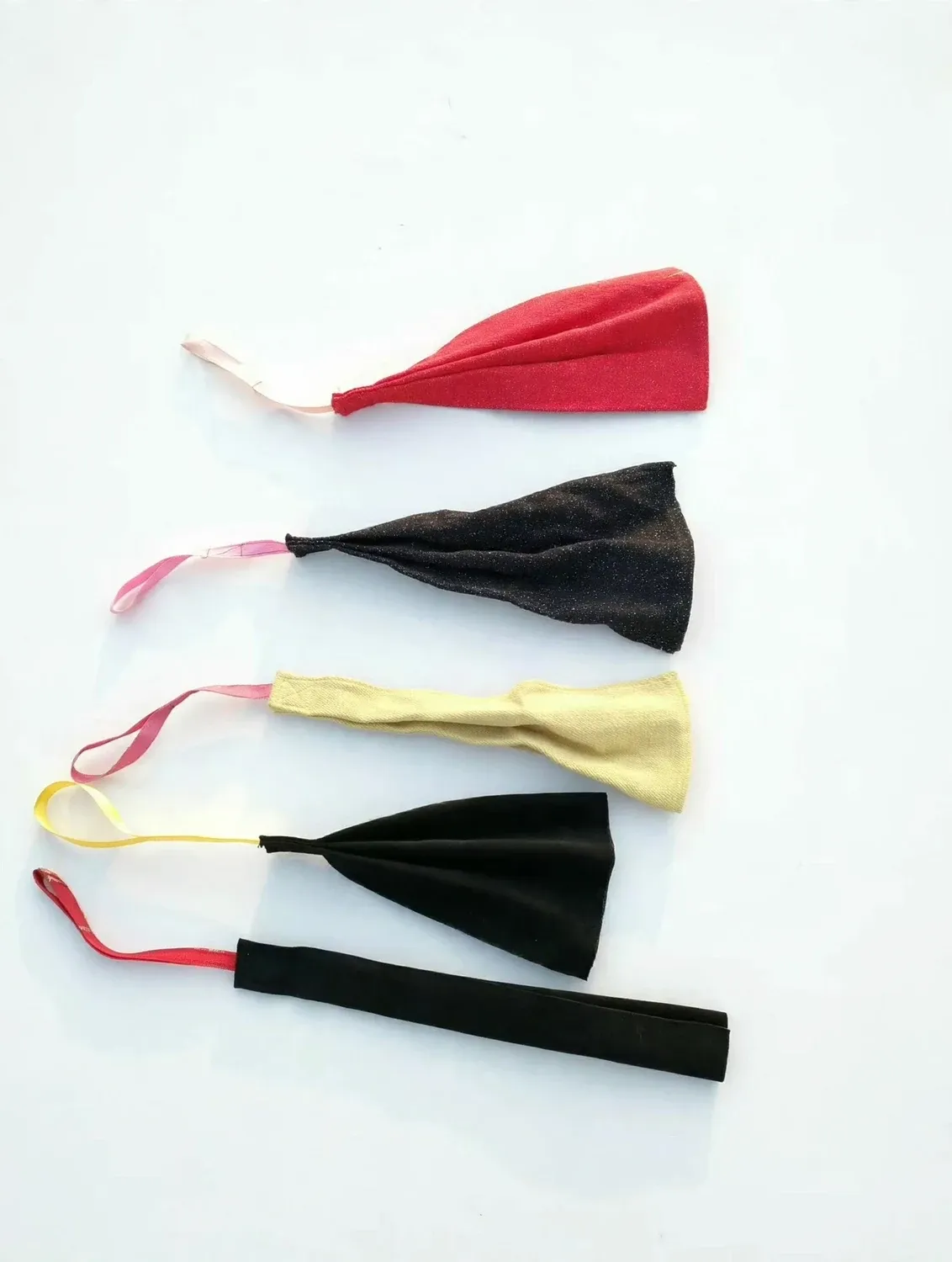
Cotton-polyester is softer and lighter, and it suits young dogs, older dogs, and dogs that are building confidence. It is the material of Poochin's bite rags, which are used for early bite development and for dogs that need a gentler target. A soft material does not mean a weak tool — it means the right tool for a dog whose mouth, teeth, or confidence need care. For the details, see: https://www.poochin.com/posts/cotton-polyester-bite-rag-young-old-dogs
Leather, including cowhide, is the firmest of the common materials and the most durable under hard use. It suits advanced dogs with a strong, full grip, and it is often used for pillows that take heavy bites session after session. Leather needs more care than jute — it should be dried properly and kept out of damp storage — but it repays that care with a long working life. For how pillow materials compare on durability, see: https://www.poochin.com/posts/k9-bite-pillow-materials-durability-guide
One caution: a material that is too hard for the dog's stage will punish a good bite, and a material that is too soft for the dog's strength will not last. Match the material to the dog in front of you, not to the dog you hope to have in a year's time.
Using Them Together: A Progression
Most dogs should start on the pillow and move to the tug, and then use both. Early training is pillow work: full grips, held still, rewarded quickly. As the grip becomes reliable, the trainer introduces the tug for short sessions: the dog grips, the trainer pulls gently, the dog holds, and the game ends with the dog winning. Over weeks, the tug sessions get longer and the resistance stronger, while the pillow stays in use for grip work and for fixing any problem that appears.
When a problem appears — a shallow grip, a dog that lets go early, a dog that bites at the edge — go back to the pillow. The pillow is the tool that fixes grips, because it lets the trainer present a still, broad target and reward a full bite. Fix the grip on the pillow, then return to the tug. Trainers who try to fix a grip problem on a moving tug usually make it worse, because the dog is being asked to solve two problems at once.
Newer tools also fit into this progression. Two-level push pillows, recently introduced by manufacturers, offer a soft side for early development and a hard side for advanced resistance training, and are designed for solo work without a decoy. The idea is the same progression in one tool: start soft, build the grip, then add resistance. Whatever the tool, the principle does not change — build the bite first, then build the fight in it.
Care, Storage, and Replacement
Jute and cotton-polyester tools should be dried after use, out of direct sunlight, and stored dry. A damp tug left in a kit bag will go mouldy, and a mouldy tug is a health risk for the dog and a weaker tool for the trainer. Leather tools need the same drying, plus occasional conditioning if the leather starts to dry out — follow the supplier's guidance for the specific product.
Replace a pillow or tug when the material has thinned, the stitching has opened, the handles have worn, or the tool no longer holds its shape. A worn tool changes the bite it teaches: a pillow that has gone soft in the middle teaches a shallow grip, and a tug with a frayed handle teaches the dog to bite the handle. The cost of replacing a tool is small beside the cost of retraining a grip.
Comparison Table
| Bite pillow | Bite tug | |
|---|---|---|
| Shape | Wide, flat, padded target | Narrower, longer, with handles |
| Main job | Teach and fix a full, deep grip | Build drive, hold, and pulling through resistance |
| Best stage | Early training, young or unsure dogs, grip problems | Once the grip is reliable; drive and control work |
| Trainer role | Presents and holds the target, moves slowly | Pulls against the dog, shakes, lifts, drags |
| Materials | Jute, leather, cotton-polyester | Jute, leather, cotton-polyester |
| Portability | Bulky, stays at the training ground | Fits in a kit bag, usable between sessions |
| When to go back to it | When the grip goes shallow or the dog lets go early | When the dog needs a challenge after the pillow |
Trainer Checklist: Pillow or Tug?
- Is the dog learning to bite, or learning to hold through a struggle? Learning to bite means pillow.
- Is the grip shallow, or does the dog let go early? Fix it on the pillow first.
- Is the grip full and reliable? Then the tug can build drive and endurance.
- Does the material suit the dog's age and strength — soft for young or older dogs, firm for advanced dogs?
- Is the tool long and wide enough to keep the trainer's hands clear of the bite?
- Are the handles firm, and the stitching intact, before the session starts?
- Is there a plan for the out — and is the tug the reward for a good out?
- After the session, is the tool dried and stored dry, and checked for wear?
FAQs
Can I train a dog with only a tug? You can, but you will struggle to fix a shallow grip. The pillow is the tool that teaches and repairs the grip; the tug builds on it. Most programmes need both.
Can I train a dog with only a pillow? You can teach the grip, but the dog will not learn to hold through movement and resistance. The tug adds the struggle that real bite work demands.
Which material should I start with? Jute for most dogs. Cotton-polyester for young, older, or less confident dogs. Leather for advanced dogs with a strong grip that need a durable, firm target.
How do I know when to move from pillow to tug? When the dog takes a full, deep grip on the pillow reliably, holds it while the trainer moves slowly, and releases on command. Then introduce the tug in short sessions with gentle resistance.
My dog bites the handles, not the tug. What do I do? Go back to the pillow and rebuild the grip on a broad target, then return to a longer tug that keeps the handles further from the bite. A dog that targets handles is usually a dog whose grip needs work, not a dog that needs a different tug.