French Linen vs Jute: Choosing K9 Bite Equipment Materials
French linen, jute, canvas or cotton-linen? Learn how different materials are used in K9 bite equipment and how to choose based on dog age and training needs.
If you have been sourcing K9 bite equipment, you have probably seen materials described as French linen, jute, canvas, linen cloth or cotton-linen.
The names can be confusing. They are not interchangeable, and the right choice depends less on the material name and more on the dog's age, training stage and how the equipment will be used.
Here is a practical comparison based on the types of K9 training gear we work with.
French Linen: A Term You Need to Clarify
"French linen" is a term you will see frequently in the K9 bite equipment market. However, it is worth asking the supplier exactly what they mean by it.
In practice, the term may refer to genuine linen fabric, a linen-based fabric, or a product marketed under the French linen name. Different suppliers may therefore be talking about different materials.
This is one reason we recommend asking for the actual material specification or a reference sample instead of choosing a product based only on the fabric name.
Poochin currently does not offer a product specifically made from French linen. Our existing range includes linen-cloth covers on some sleeves and cotton-linen blends on selected puppy tugs. These are related materials, but they should not be described as French linen.
Jute: A Common Choice for Adult Bite Work
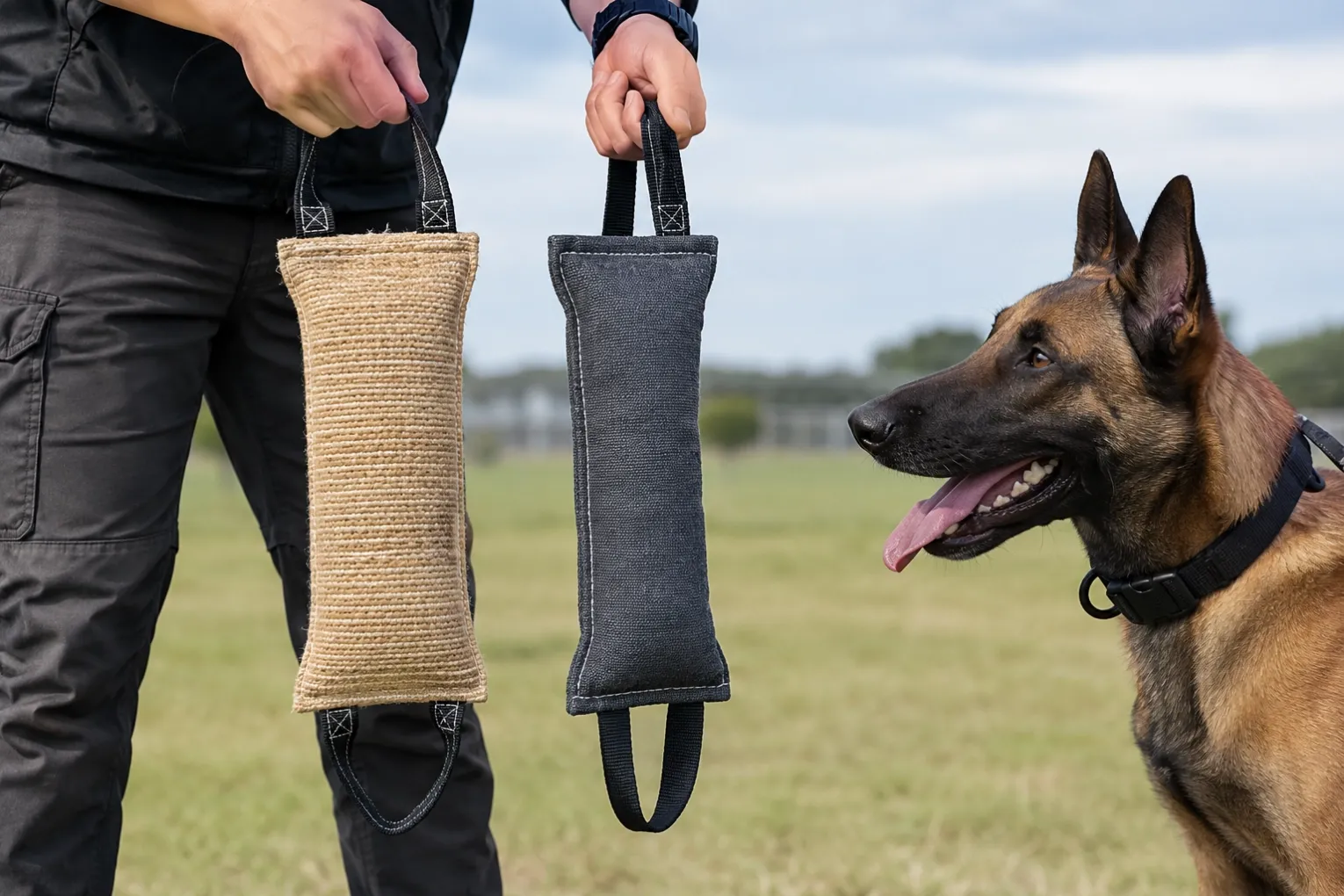
Jute is widely used in working-dog bite equipment because it provides a firm and durable bite surface.
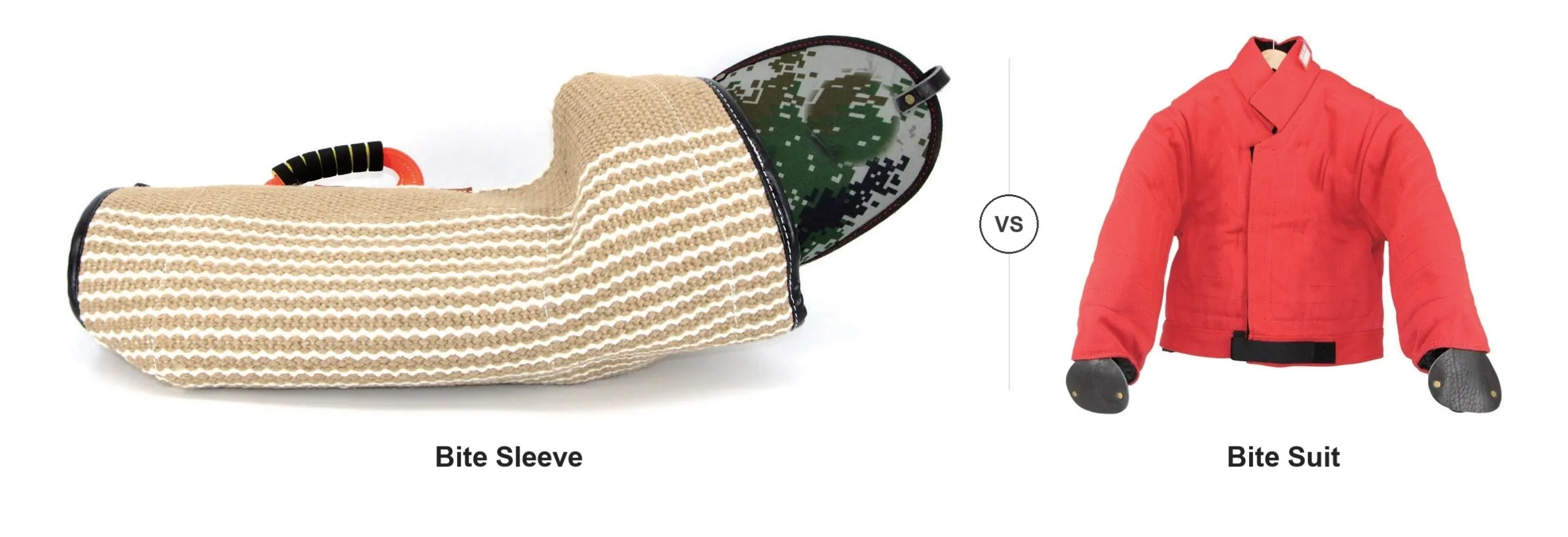
Our adult bite sleeves use tightly woven imported Bangladeshi jute, with reinforcement in the bite area on adult models.
For programs working with adult dogs and regular bite training, jute is often a practical choice when the priority is a firm bite surface and long-term durability.
Typical use: adult dogs, repeated bite work, working-dog training and professional training programs.
Jute vs Linen-Based Materials
| Material | Typical Character | Common Use |
|---|---|---|
| Jute | Firm, durable bite surface | Adult bite work and working-dog training |
| Linen cloth | Different hand feel and construction depending on the fabric | Selected sleeve constructions |
| Cotton-linen blend | Softer bite surface with tear resistance | Puppy and young-dog equipment |
| Canvas | Durable and relatively lightweight | Selected sleeves and club training use |
What About Puppies?
Material selection becomes even more important when the dog is young.
For puppies, the goal is not simply to find the strongest material possible. The equipment also needs to provide an appropriate bite surface for a developing mouth.
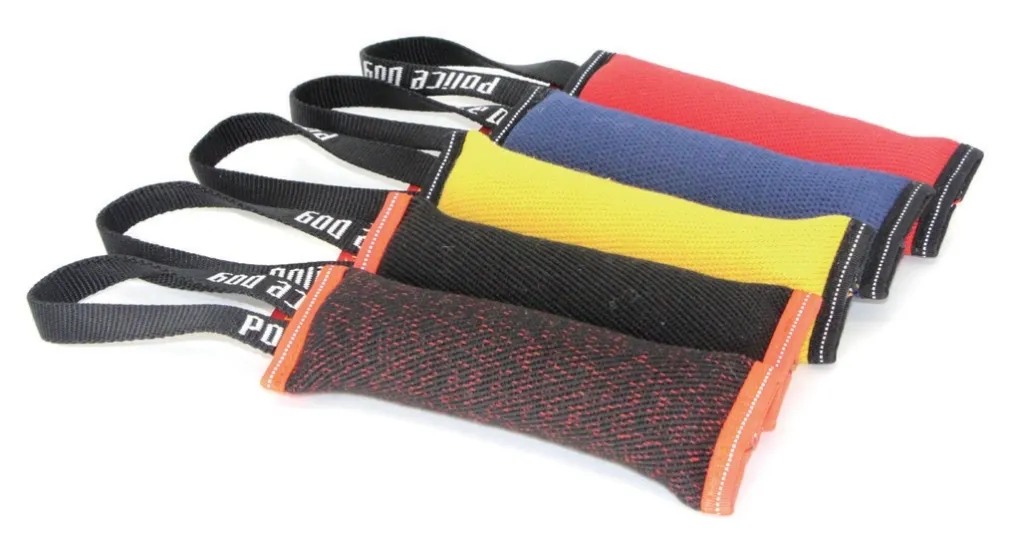
Our puppy equipment includes a bite-resistant cotton-linen blend with high-density cotton filling. The construction is designed to provide a softer bite surface while still offering resistance to tearing.
For younger puppies, softer durable-cloth tug constructions can also be used from around 40 days, depending on the training approach.
The important point is to match the equipment to the dog's training stage rather than simply choosing the strongest fabric.
Canvas: Another Practical Option
Canvas is another material used in working-dog equipment.
Our German-style sleeves use a four-layer reinforced canvas construction with a felt core. This provides a durable sleeve while keeping the construction relatively manageable for handlers.
For some training programs, this can be a useful middle ground between different sleeve constructions.
So, Which Material Should You Choose?
There is no single material that is best for every K9 training program.
A practical starting point is:
- Young puppies: softer cloth or cotton-linen bite-resistant equipment.
- Developing dogs: gradually increase firmness and equipment strength as the dog progresses.
- Adult dogs: jute or reinforced canvas can be suitable for regular bite work, depending on the training application.
The training method also matters. A tug used for reward work does not necessarily need the same construction as equipment used for repeated full-strength bite work.
Don't Choose a K9 Bite Product by Material Name Alone
When comparing suppliers, we recommend asking a few simple questions:
- What is the actual material composition?
- Which part of the product uses this material?
- What type of dog and training stage is it designed for?
- Is the bite area reinforced?
- Can the construction or material be changed for an OEM project?
A material name by itself does not tell you how the finished product will perform.
The construction, reinforcement, filling, stitching and intended use all matter.
Looking for a Different Material?
If your program specifically requires French linen, a particular jute specification, canvas construction or another bite-resistant fabric, send us your material specification, reference photo or existing sample.
For OEM projects, we can review the requested material and construction against the project requirements and discuss whether an existing product can be adjusted or a new sample should be developed.
Need help choosing the right material?
Tell us the dog's age, training type, product you are looking for and the material you currently use. We can help you compare suitable options.
Request a Quote →