Working k9
How to Clean and Maintain a K9 Bite Suit
How to clean, dry, store and inspect a K9 bite suit so it lasts longer and stays safe for decoys and dogs.
Introduction: A Bite Suit Is Safety Equipment
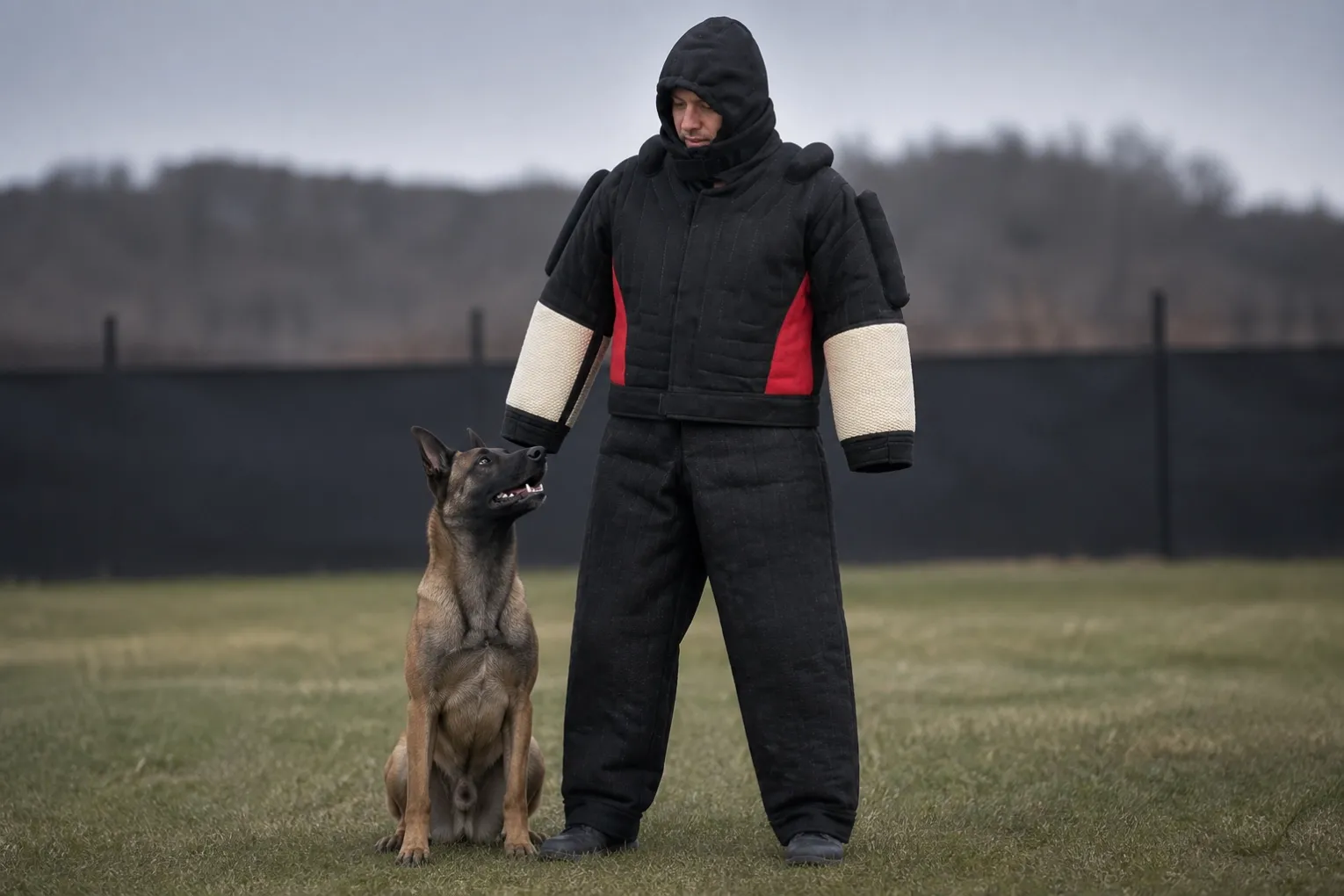
A bite suit is not clothing. It is safety equipment that a decoy trusts with their body, session after session. How it is cleaned, dried, stored, and inspected decides how long it lasts, how hygienic it stays, and whether it still protects the way it should.
A suit that is put away damp, stored folded under heavy gear, or used long past its wear limits does not fail all at once. It gets heavier, stiffer, and less comfortable first. Then seams loosen, padding compresses, and closures stop holding. By the time the damage is obvious, the suit has been under-protecting its wearer for some time.
This guide covers the routine that keeps a bite suit in service: cleaning after use, drying and storage, regular inspection, and knowing when to repair and when to retire. It is written for decoys, trainers, clubs, and schools that own one suit or a fleet of them.
For how to choose a bite suit in the first place, including materials and weight, see: https://www.poochin.com/posts/what-is-a-k9-bite-suit and https://www.poochin.com/posts/how-much-should-k9-bite-suit-weigh
Know the Material First
Care starts with the material, because different suit materials respond differently to water, heat, and cleaning products. Check the product's care guidance before cleaning, and follow it rather than treating every suit the same.
Poochin's bite suits are made in materials including jute and canvas. Jute is the established working material in Poochin's current range, and it is the material to ask for when ordering or replacing a suit. French linen is sometimes discussed in bite suit articles, but it is not part of Poochin's current product line — buyers who want a traditional natural-fibre suit should look at the jute options Poochin supplies. For a comparison of bite gear materials, see: https://www.poochin.com/posts/k9-bite-gear-materials-compared
Whatever the material, two rules apply to every suit: never store it damp, and never dry it with strong direct heat. Damp storage invites mould and odour, and strong heat can shrink, stiffen, or damage natural fibres and padding.
After Every Session: The Five-Minute Routine
Most suit care takes five minutes after a session, and it prevents most problems. Brush off loose dirt, hair, and debris while the suit is still on a hanger or a stand. Check the suit for damage while you do it — a small tear or loose seam found now is a quick repair, while the same damage found next week has usually grown.
Air the suit out before putting it away. Hang it in a ventilated space so that sweat and moisture can leave the padding. Do not fold a damp suit into a bag or a box, and do not pile other equipment on top of it. A suit that is compressed while damp dries slowly, holds odour, and loses the loft in its padding.
If the suit is wet from rain or heavy use, give it longer. Hang it with air circulating around it until it is dry through, not just dry on the surface. Padding that feels dry on the outside can still be damp inside, and damp padding is where mould starts.
Cleaning: When and How
A suit does not need a full wash after every session. Brushing and airing is enough for routine use. A full clean is needed when the suit is visibly soiled, smells despite airing, or has been used in mud, blood, or other contamination.
When a full clean is due, follow the care guidance supplied with the product. In general, use a mild cleaning approach suited to natural fibres, clean the surface rather than soaking the padding where that can be avoided, and rinse thoroughly so that no cleaning product remains in the material. Residue left in the fabric can stiffen it and irritate skin on the next use.
Dry the suit by hanging it in a ventilated space, away from direct sun and away from radiators or heaters. Turn it so that air reaches all sides, and allow enough time for the padding to dry through. A suit that is put back into service while still damp will feel heavier, smell worse, and wear faster.
Do not use strong bleach or harsh chemicals on a bite suit, and do not machine-dry it on high heat. Both can damage fibres, stitching, and padding in ways that are not visible until the suit is under load.
Canvas suits share the same rules as jute suits. Canvas is hard-wearing, but it still absorbs moisture, still needs to dry fully through, and still suffers if it is folded away damp or left in direct sun for long periods. The care routine in this guide applies to both materials — the difference is mainly drying time, since a heavier canvas suit can take longer to dry through than a lighter jute one.
Travelling with a Suit
Decoys and trainers often travel with a suit, and travel is where care routines break down. A suit squeezed into a car boot after a session, left in a hot vehicle, or packed damp into a bag for a flight will come out worse than a suit that was simply hung up at home.
If the suit must travel, let it air first, even briefly, before packing. Use a bag that allows some air movement rather than a sealed plastic sack, and unpack and hang the suit as soon as you arrive. Never leave a suit in a parked vehicle in the sun: the heat builds quickly, the padding dries unevenly, and odour sets in. At a multi-day event, hang the suit overnight in a ventilated room between days, and give it a full clean and dry when you return home rather than packing it away dirty.
For clubs that lend suits to visiting decoys, the same routine applies, and it is worth stating it plainly to borrowers. A lent suit comes back in the condition its borrower left it, and a short written care note handed over with the suit prevents most of the damage.
Storage: What Protects a Suit Between Sessions
Storage is where many suits are quietly damaged. A suit stored well can last years longer than one stored badly, with no extra cost.
Hang the suit where air can circulate around it, in a dry place out of direct sunlight. Use a wide, sturdy hanger or a suit stand that supports its shape rather than a thin wire hanger that leaves creases. Keep it off the floor and away from damp walls. Do not store it folded under heavy equipment, and do not leave it in a sealed bag or a car boot for days at a time.
For clubs and schools with several suits, label each suit and rotate them so that no single suit takes every session. Rotation spreads wear evenly and gives each suit time to dry fully between uses. It also makes inspection easier, because a suit that is always in use is never inspected.
Inspection: What to Check and When to Retire
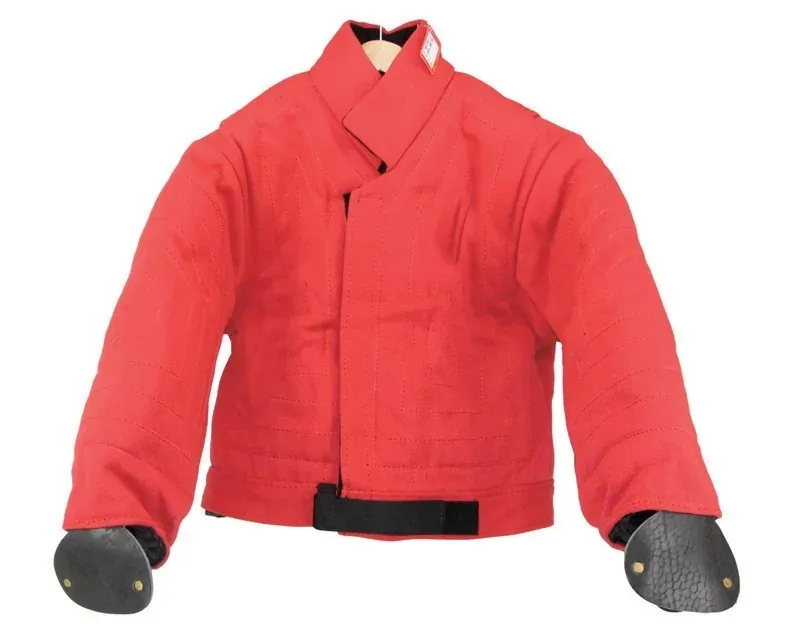
Inspect the suit regularly — after every session for a quick check, and in detail once a month or after heavy use. Work through the suit in order: outer fabric, seams, closures, straps, padding, and any reinforcement in the bite areas.
Look for thinning or fraying in the bite areas, seams pulling open, stitching coming undone, straps or buckles that no longer hold, padding that has compressed and no longer springs back, and any tear that reaches through to the padding. Any of these should be repaired before the next session, not after it.
A suit should be retired when the padding in the bite areas no longer protects, when the outer fabric is worn through, when seams cannot be repaired soundly, or when the suit no longer fits the decoy properly. A retired suit should not be kept as a spare for beginners. It should be removed from service, because it will be used by someone who trusts it.
Keep a simple record for each suit: date of purchase, sessions used, cleans, repairs, and inspections. For a school or a club, that record is what turns suit care from a habit into a system.
Bite Suit Care at a Glance
Routine | When | What to do |
|---|---|---|
Brush and air | After every session | Brush off dirt and hair; hang in ventilated space until dry through |
Quick inspection | After every session | Check bite areas, seams, closures, straps while brushing |
Full clean | When visibly soiled or smelly | Follow product care guidance; mild cleaning; rinse thoroughly; air dry away from sun and heat |
Detailed inspection | Monthly or after heavy use | Check fabric, seams, closures, straps, padding compression, bite-area wear |
Repair | As soon as damage is found | Repair seams, straps, and closures before the next session |
Retire | Padding no longer protects, fabric worn through, seams unrepairable | Remove from service; do not keep as a spare |
Storage | Between sessions | Hang in dry, ventilated place; off the floor; not folded under gear; not sealed in a bag |
Buyer Checklist: Keeping a Bite Suit in Service
- Check the product's care guidance before the first clean.
- Brush off and air the suit after every session; never store it damp.
- Dry it fully through, in ventilated air, away from direct sun and strong heat.
- Clean it fully when it is soiled or smells; rinse thoroughly.
- Store it hung, dry, ventilated, and off the floor.
- Inspect bite areas, seams, closures, straps, and padding after every session, and in detail monthly.
- Repair damage before the next session, not after it.
- Retire a suit when its padding no longer protects, and remove it from service.
FAQs
How often should a bite suit be washed? Not after every session. Brushing and airing is enough for routine use. A full clean is needed when the suit is visibly soiled, smells despite airing, or has been used in mud, blood, or other contamination.
Can I machine-wash a bite suit? Follow the care guidance supplied with the product. In general, avoid soaking the padding where possible, avoid strong bleach and harsh chemicals, and never machine-dry on high heat. Air drying in a ventilated space is the safe approach.
Why does my suit smell even after airing? Usually because the padding is still damp inside, or because it was stored damp. Hang it until it is dry through, not just dry on the surface, and store it in a dry, ventilated place. If the smell persists after a full clean and thorough drying, the padding may need professional attention or the suit may be due for retirement.
How do I know when a bite suit should be retired? Retire it when the padding in the bite areas no longer protects, when the outer fabric is worn through, when seams cannot be repaired soundly, or when it no longer fits the decoy properly. A retired suit should be removed from service, not kept as a spare.
Does Poochin supply bite suits in French linen? French linen is not part of Poochin's current product line. Poochin's current bite suits are supplied in materials including jute and canvas. Buyers who want a traditional natural-fibre suit should ask about the jute options.
Ask about the suit that fits your training
If your suit is showing the wear this guide describes, or if you are choosing a first suit for a school or a club, tell us how your decoys train and how often the suit will be used. We will help you choose between our jute and canvas suits, and the right size for the decoys who will wear it. Start with our contact page, or look at the range on our bite suit page.