Working k9
Importing Working K9 Equipment From Overseas: Samples, Shipping and Customs for First-Time Buyers
Buying bite suits, sleeves and training gear from an overseas supplier for the first time? What to check on samples, shipping, customs and the first order — before the gear ships.
Introduction: The First Overseas Order Feels Different
A local supplier is easy to judge. You can visit the shop, handle the gear, and take a sleeve home the same day. An overseas supplier is a different decision. The gear looks right in the photos, the price works on paper, and then the questions start: will the suit fit the way it should, how long will it take to arrive, what happens at customs, and what do you do if the first order is wrong?
Those questions are normal. Importing working K9 equipment is routine for clubs, schools and retailers that buy from overseas, and the difference between a smooth first order and a painful one is usually the preparation. This guide covers samples, shipping, customs and the first order.
Start With a Sample, Not a Bulk Order
The single best protection on a first overseas order is a sample. A bite suit, a sleeve or a tug looks different in the hand than in a photo. Weight, stiffness, the feel of the material, the way the straps sit — none of that can be judged from a picture, and a sample answers all of it at once.
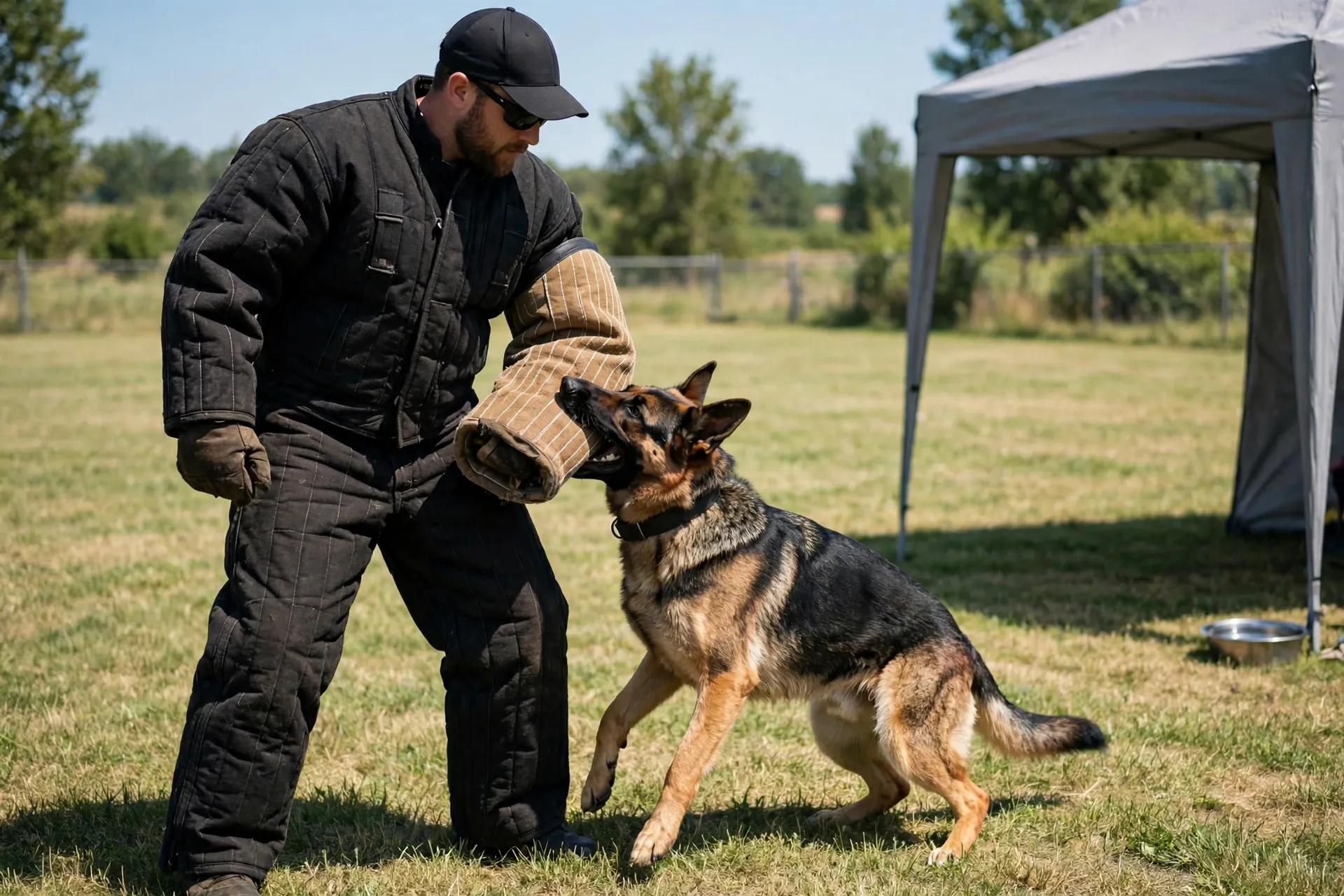
Order the sample in the size and material you plan to buy in bulk, and test it the way it will be used. Put the suit on a decoy and run a session. Let the dog grip the sleeve and watch how the material responds. Check the stitching after the session, not before. A sample that survives real work tells you more than any product description.
Use the sample to confirm the details that cause trouble later. Does the suit allow the movement your decoys need? Do the straps adjust far enough for different body sizes? Does the sleeve sit correctly on the arm? Write down what works and what does not, and send that list back to the supplier with the bulk order.
One sample is rarely enough for a full range. If you plan to stock sleeves, suits and pillows, sample the items that carry the most risk first — usually the suit, because it is the largest item and the hardest to get right.
What to Ask Before You Pay
Before money moves, the buyer and the supplier should agree on the same list of facts. Put them in writing, in the order confirmation, so both sides can check against the same document later.
First, the specification: the exact product, size, material and colour for every line on the order. For bite gear, material matters more than it does for ordinary goods — jute and synthetic covers behave differently, wear differently and suit different training styles, so name the material on the order rather than leaving it to the product name alone.
Second, the marking: whether the gear carries your logo or label, where the marking sits, and what artwork file the supplier will use. Private label work needs a clear artwork approval step — a photo or a drawing of the marked sample — before the bulk run starts.
Third, the quantity and the packing: how many pieces per carton, how the cartons are marked, and what the total weight and carton count will be. That information decides the freight, so it should be settled before the freight is booked.
Fourth, the payment terms: how much is paid before production, how much before shipment, and by which method. Agree on those terms in writing, and keep the written record.
Shipping: Ask for the Options, Then Choose
Shipping is where first-time buyers lose the most time, usually because they choose the fastest option by default or the cheapest without checking what it covers. Ask the supplier what shipping options exist for your order, and compare them on the same basis: the time in transit, what the price includes, and what it does not include.
Express courier is fast and trackable, and it suits samples and small orders. A dedicated freight line is slower and usually cheaper per kilogram, and it suits bulk orders where a few extra days do not matter. Neither option is right for every order.
Ask three questions about any shipping quote. Does it include delivery to your door, or only to the port or the airport? Does it include customs clearance, or is that your responsibility? And what happens if the shipment is delayed — who follows up, and how?
Tell the supplier where the gear is going and ask for the full picture in writing: the freight option, the estimated transit time, and what is included. Keep that written record with the order, so a delay can be chased against a specific promise rather than a general assurance.
Customs: The Step Buyers Forget Until It Stops the Shipment
Customs is the step first-time buyers most often overlook, and it is the step most likely to hold a shipment at the border. The rules differ by country, and they differ by product, so the buyer should check the requirements for their own country before the gear ships rather than after it arrives.
Find out three things before ordering. First, whether working dog equipment needs any import permit or declaration in your country, and what product description the customs form should carry. Second, whether duties or taxes apply to the shipment, and who pays them — the supplier, the freight carrier, or you. Third, what paperwork the shipment must travel with, such as a commercial invoice and a packing list, and whether the supplier provides them as standard.
A supplier that ships overseas regularly will know which documents travel with the goods and will provide them without being asked. If a supplier cannot say what paperwork accompanies the shipment, treat that as a question to resolve before paying.
Keep copies of everything: the order confirmation, the invoice, the packing list and the shipping record. If customs asks a question, those documents are the answer, and if a shipment is delayed, they are the trail to follow.
The First Order: Small Enough to Test, Big Enough to Matter
A first bulk order should be big enough to test the supplier properly and small enough that a problem is manageable. For most buyers, that means the core range in the sizes that sell, rather than the full catalogue at once. Stock the suit and the sleeve your decoys actually use, in the sizes your club or your customers need, and add the smaller items — pillows, tugs, leashes — once the core order has arrived and checked out.
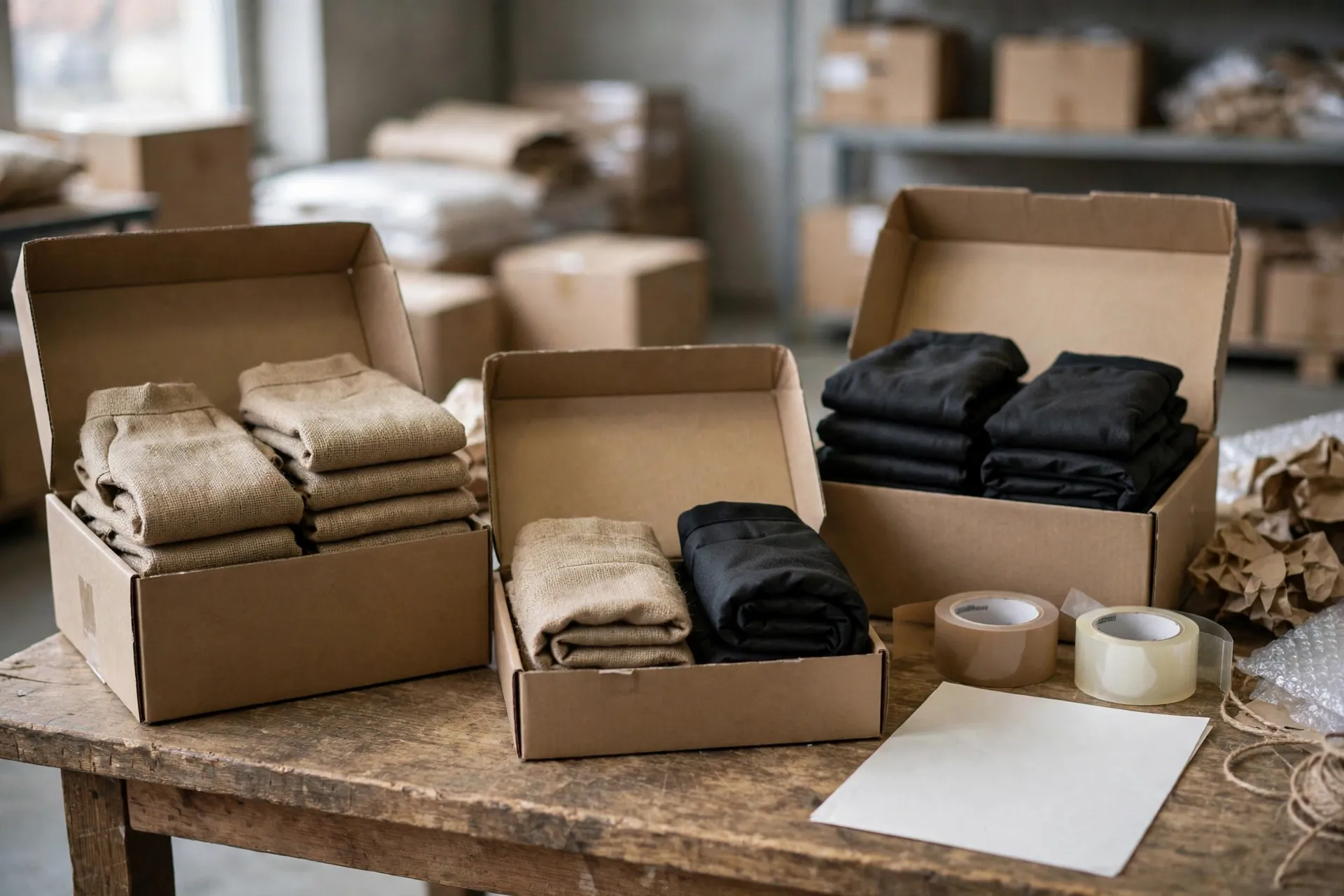
When the order arrives, inspect it the same day. Open every carton, count the pieces against the packing list, and check the sizes, the material and the markings against the order confirmation. Test a suit and a sleeve in a session before the gear goes on the shelf or out to customers.
Photograph anything that does not match the order — a wrong size, a wrong colour, a marking in the wrong place — and send the photos to the supplier with the order number. A clear record with photos gets a faster answer than a description alone, and it protects both sides.
Mistakes First-Time Buyers Make
The most common mistake is ordering in bulk without a sample. Photos hide weight, stiffness and fit, and a bulk order of the wrong suit is an expensive lesson. The second mistake is choosing shipping on price alone, without asking what the price includes. The third is leaving customs until the shipment is already on its way.
The fourth mistake is not keeping records. An order confirmation, an invoice, a packing list and a few photos of the received gear cost nothing to keep, and they are the difference between a problem that gets fixed and a problem that gets argued about.
What to Do Next
A first overseas order works when the buyer treats it as a process: sample first, agree the specification and the terms in writing, compare shipping options on what they include, check customs before the gear ships, and inspect the order on arrival. Each step is simple on its own. Together they turn an uncertain purchase into a repeatable one, and a first supplier into a regular one.
Send Us Your Gear List for a Sample and a Quote
If you are buying working K9 equipment from overseas for the first time, send us the list of gear you need — suits, sleeves, pillows, tugs — with the sizes and quantities you have in mind. We will confirm the material, the marking and the packing, send a sample for you to test, and quote the order with the shipping options set out in writing. If you already buy from another supplier and want a second source, send us the same list and we will quote against it, so you can compare the two on equal terms.