Working k9
Working Dog Collars & Leads for Bite Work: B2B Buyer's Guide for Schools & Distributors
B2B buyer's guide to bite-work collars & leads: 40–50mm widths, welded metal hardware, materials, and bulk sizing for K9 schools, kennels & distributors.
Introduction
A collar and a lead look like the simplest items in a bite-work kit, and that is exactly why they get the least attention when a school, kennel or distributor places an order. A collar is often ordered by breed name alone, in one size, and the problems only appear on the training field: a collar that rides up behind the ears, a lead too long to control a dog at the moment of the bite, a clip that opens under load. Together they cost training time, distract the handler, and in the worst case put a dog or a decoy at risk.
This guide is for buyers who order for more than one dog: training schools, professional trainers and decoys, kennels, and distributors who supply them. It covers collar types, sizing, materials, lead choice and hardware checks.
Why the Collar and Lead Matter More in Bite Work
In obedience training the lead is mostly a communication line. In bite work it is also a safety line at full drive. When a dog launches toward a decoy, the lead and collar absorb the first surge of energy. A collar that is too narrow focuses that energy on a thin strip of the neck, which is uncomfortable for the dog and makes it harder for the handler to read the dog's response. A wide collar spreads the load. A lead that stretches under load gives the handler a delayed, spongy feeling, while a lead that is too long lets the dog build speed before it hits the end.
Collar Types for Bite Work
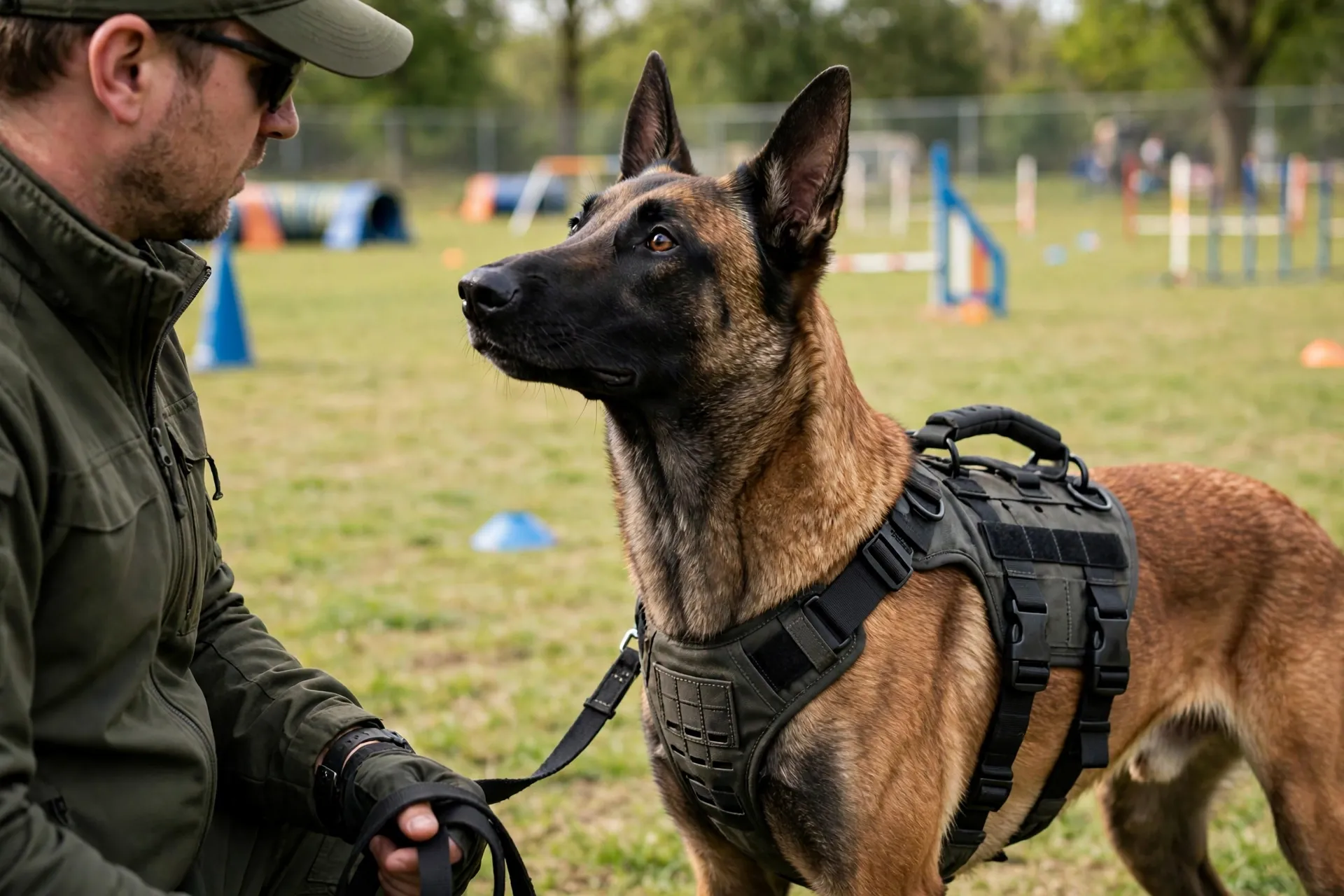
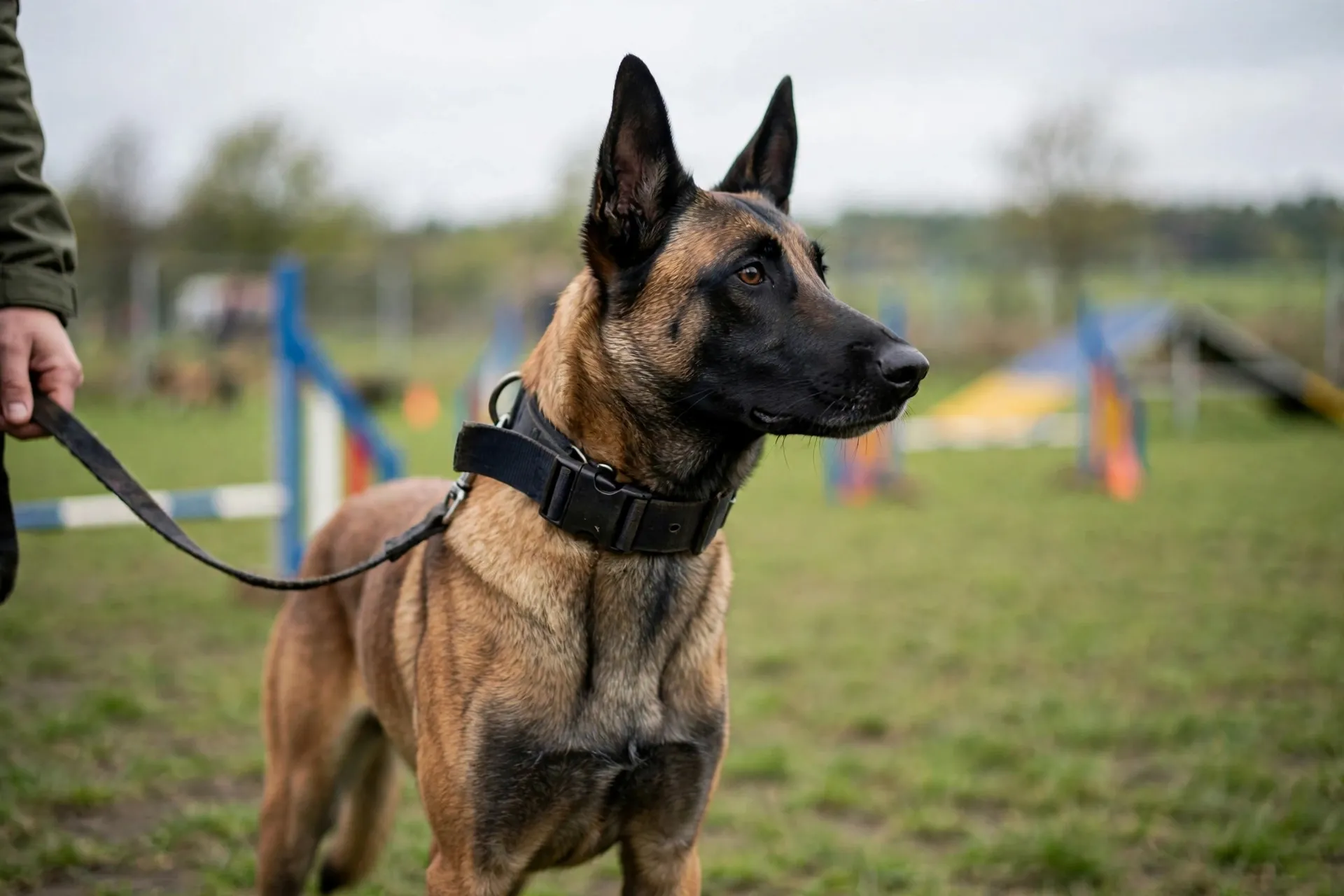
The most common choice for bite work is the wide flat collar. Typically 40 to 50 millimeters wide, it sits flat against the neck and spreads pressure over a large area. It is comfortable under load, easy to fit and simple to clean, and for most schools and kennels it is the default. The agitation collar is a wider, heavier variant, often with a handle or a reinforced grip area, designed for the agitation phase, when the handler holds the dog close and controls its drive before the send.
Chain and martingale-style collars appear in some training programs, usually for control or correction rather than for the bite itself. A martingale tightens gently when the dog pulls and releases when the dog relaxes. A chain collar gives a sharper signal, but it concentrates force on a narrow line and can damage the coat and skin during full-drive work. Neither type should be the primary collar for bite work. Many working dogs also wear a GPS tracker or an electronic collar. When they do, choose a flat collar width that leaves adequate clearance on the neck so the two devices do not interfere or chafe, and fit the working collar for the lead work as usual.
Sizing by Measurement, Not by Breed
Breed is a poor guide to collar size. Two German Shepherds can differ by several centimeters in neck circumference, and a heavily built Malinois can have a thicker neck than a lighter Shepherd. Ordering by breed alone is the single most common reason a batch of collars arrives and half of them do not fit. Measure each dog with a soft tape at the point where the collar will sit, usually the middle of the neck, with the dog standing and relaxed. A collar should allow two fingers to slide flat between the collar and the neck: tight enough that the dog cannot slip it, loose enough that it does not press on the throat when the dog pulls.
Width is the second measurement that matters. A narrow collar on a strong dog concentrates the force of the bite drive on a thin band. Larger and stronger dogs need wider collars, and smaller dogs need narrower ones so the collar does not overwhelm the neck or rub behind the ears.
Materials: What Holds Up in Real Training
Leather is the traditional choice for working collars, and it remains a good one when it is well made. Good leather is strong, it softens and molds to the dog over time, and it is comfortable against the neck. Its weakness is maintenance: leather absorbs water and mud, it needs cleaning and conditioning, and a collar left wet will stiffen and crack. Nylon webbing is the practical alternative. It is strong for its weight, it dries quickly, it cleans with soap and water, and it holds up well in mud and rain.
Biothane and other coated webbings combine the advantages of both: the strength of webbing with a waterproof, wipe-clean surface, so mud and water do not soak in. Coated webbing stays flexible in cold weather and is easy to clean between sessions, which makes it the most practical choice for outdoor training in all seasons. Choose the material for the conditions the equipment will face, and remember that the stitching and the hardware matter as much as the strap itself.
Leads: Length, Width and Handling
Lead choice depends on the exercise. For bite work, a lead of about 1.2 to 1.5 meters gives the handler control at close range without giving the dog room to build up speed before the end of the line. For obedience work, a slightly longer lead, around 1.8 meters, is more common, because the dog works at a greater distance. For tracking, leads are much longer, often 10 meters or more. The mistake is to use one lead length for everything. Buyers should order leads by exercise, and label them so the right lead is picked up for the right session.
A wider lead is easier to grip, it spreads the force across the handler's hand, and it is less likely to cut in when the dog hits the end. Nylon and coated webbing leads are lighter, dry quickly and are easy to clean. The handle matters too: a comfortable, well-stitched handle that does not slip is worth more than a decorative one. The lead and the collar should be chosen together, so the set feels balanced and is easy to manage.
Hardware: The Small Parts That Carry the Load
Hardware is where cheap equipment fails first. The clip that joins the lead to the collar, the buckle that closes the collar, and the ring that takes the load all have to hold through repeated surges. Welded links are stronger than links that are simply bent closed, because a bent link can open under load, so buyers should check that rings and links are welded and sized to the dog. A buckle gives a secure closure that will not open accidentally. A quick-release clip is convenient, but it must be a heavy-duty metal clip rated for working dogs. Plastic hardware has no place on a working dog collar or lead: it can crack in cold weather, it wears faster than metal, and it can fail without warning. Before each session, check the clip, the buckle, the ring and the stitching around them.
Private Label and Custom Options for Schools and Distributors
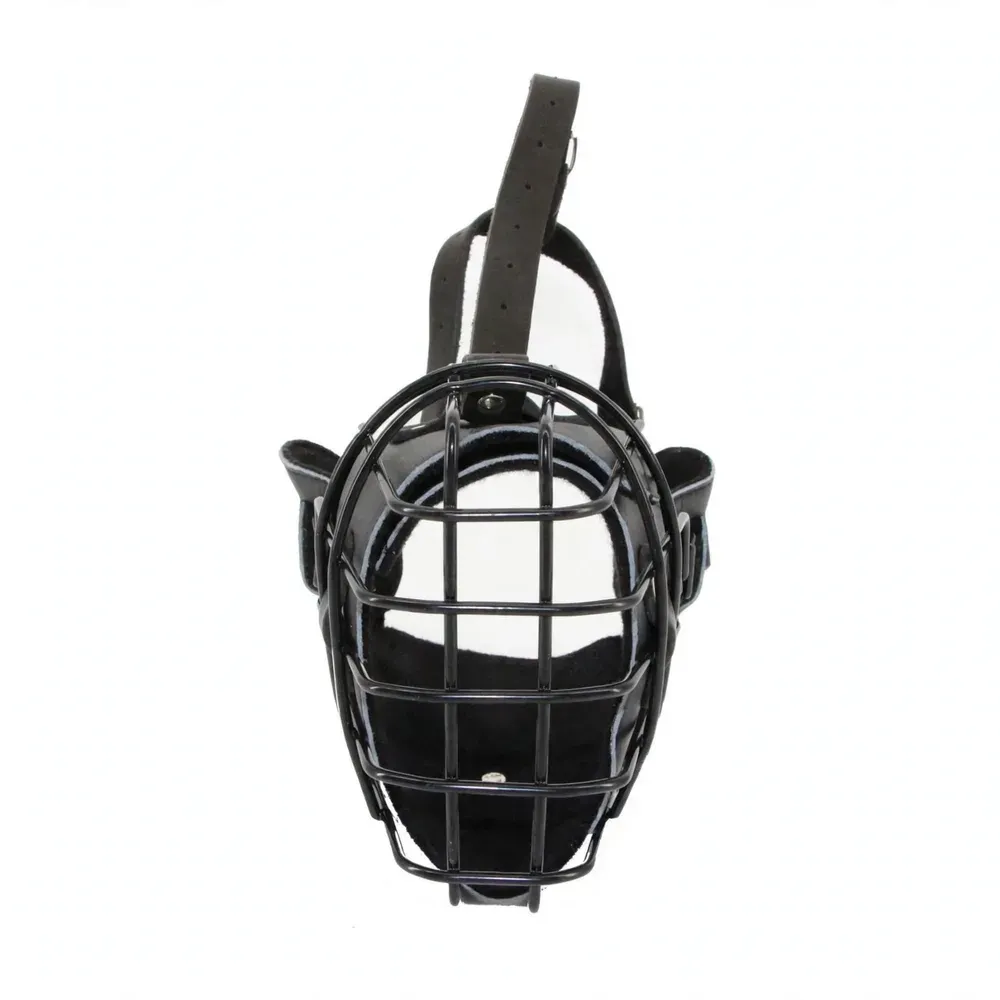
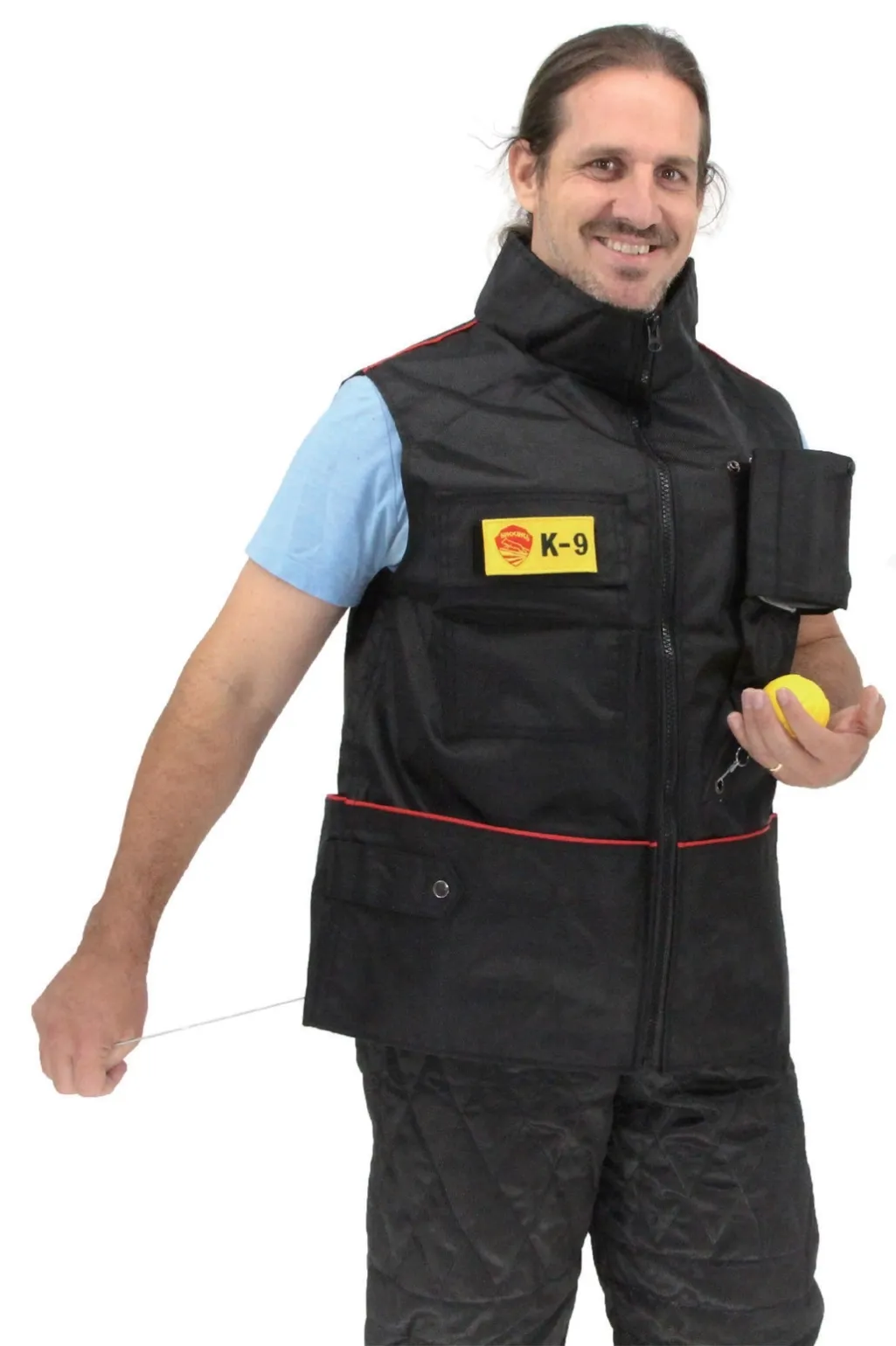
For distributors and schools that run their own programs, collars and leads can be supplied with your own branding: woven labels and hang tags with your logo, your choice of webbing colors, and matched collar and lead sets packed as one item for your catalog. Custom widths and lengths can be arranged for a team standard, so every dog in the unit works in the same kit. We supply the full working dog range from one source, so collars and leads can be ordered together with bite sleeves, pillows, tugs and muzzles from the same supplier, with a private label service across the range.
Ordering for a Team, Kennel or Distributor
Ordering collars and leads for a team is different from ordering for one dog. Measure every dog first, and record the neck circumference and the preferred width for each one. Order a size spread that covers the whole team, rather than a single size in bulk, and include a few spares in the most common sizes. Fit samples should come before a full order: order a small number in the main sizes, fit them on the dogs, and run them through real training sessions before committing to the full quantity. Distributors should stock matched collar and lead sets in the common sizes and widths, with metal hardware throughout, so a buyer can measure the dog, choose the width, and pick the material for the conditions.
Comparison Table
Collar or lead option | Best for | Strengths | Watch out for |
|---|---|---|---|
Wide flat collar (40–50 mm) | Everyday bite-work training | Spreads load, comfortable, easy to fit | Must be sized by measurement |
Agitation collar with handle | Agitation and close control | Secure grip, extra width under load | Specialist tool, not for every session |
Martingale-style collar | Dogs that slip a flat collar | Gentle tightening, stays on | Not the primary collar for full-drive bites |
Chain collar | Correction work only | Sharp, clear signal | Concentrates force, not for bite work |
Leather collar and lead | Dry conditions, traditional feel | Strong, molds to the dog | Needs drying and conditioning |
Nylon webbing collar and lead | Wet and muddy training | Dries fast, easy to clean | Check edge finishing and stitching |
Coated webbing collar and lead | All-season outdoor work | Waterproof, wipe-clean, stays flexible | Confirm hardware is metal throughout |
Short lead (1.2–1.5 m) | Bite work and agitation | Close control, less shock at the end | Too short for obedience or tracking |
Medium lead (about 1.8 m) | Obedience work | Room for turns and direction changes | Too long for close bite work |
Long lead (10 m or more) | Tracking | Dog can work a scent line freely | Never use for bite work |
Buyer Checklist
- Measure each dog's neck circumference with a soft tape; record the measurement per dog.
- Check fit with the two-finger rule: two fingers flat between collar and neck, no rubbing behind the ears.
- Choose collar width for the dog's size and strength, not by breed alone.
- Match the lead length to the exercise: short for bite work, medium for obedience, long for tracking.
- Choose the material for the conditions: leather for dry use, nylon or coated webbing for wet and muddy training.
- Confirm all hardware is metal, with welded links and a buckle or clip sized to the dog; no plastic hardware.
- Check the clip, buckle, ring and stitching before each session; keep spare hardware on hand.
- Fit samples on real training sessions before placing a full team or distributor order.
FAQs
What width collar does a working dog need for bite work?
Most working dogs do best with a wide flat collar of about 40 to 50 millimeters, because the width spreads the force of the drive across the neck. Choose the exact width for the individual dog's size and strength, and check that it does not rub behind the ears.
How do I measure a dog for a working collar?
Measure the neck circumference with a soft tape where the collar will sit, with the dog standing and relaxed. Allow two fingers of space between the tape and the neck. Record the measurement for each dog and order by measurement, not by breed.
Can one lead be used for bite work, obedience and tracking?
No. Bite work needs a short lead of about 1.2 to 1.5 meters for close control. Obedience usually needs about 1.8 meters, and tracking needs a long lead of 10 meters or more. Using the wrong length makes control harder and increases the shock at the end of the line.
Is leather or nylon better for a bite-work collar?
It depends on conditions. Leather is strong and comfortable, and it molds to the dog, but it needs drying and conditioning after wet work. Nylon webbing and coated webbing dry quickly, clean easily and suit wet and muddy training. Choose the material that fits the conditions the equipment will face.
How often should I check a collar and lead?
Check the fit at the start of each training block, and check the hardware and stitching before every session. Replace any collar or lead with worn stitching, a sticking clip, a buckle that does not close cleanly, or a ring that shows wear.
Related Reading
CTA
Sourcing bite-work collars and leads for a K9 unit, training school, or distributor catalog? Request our full K9 gear catalog and wholesale price list, or send your target widths, materials, and branding specs to arrange fit samples and a trial order. We supply the full working dog range from one source, with a private label service for your own brand.