Wholesale K9 Gear Range: How Distributors and Brands Build an Assortment for OEM and Private Label
Build a wholesale K9 gear range that sells: assortment, private label vs OEM, sizing, materials and sampling for distributors and brands.
The Short Answer
A sellable wholesale K9 range starts with four core lines — bite suits, bite sleeves, bite pillows and training tugs — chosen for a defined buyer, not for the widest possible catalogue. Decide first whether each line will be private label on an existing design or a new OEM development, agree the materials, sizes and colours, and confirm them with a sample before bulk production. That order — buyer, range, branding route, sample — is what keeps a first order from becoming slow-moving stock.
Start With Who Will Buy
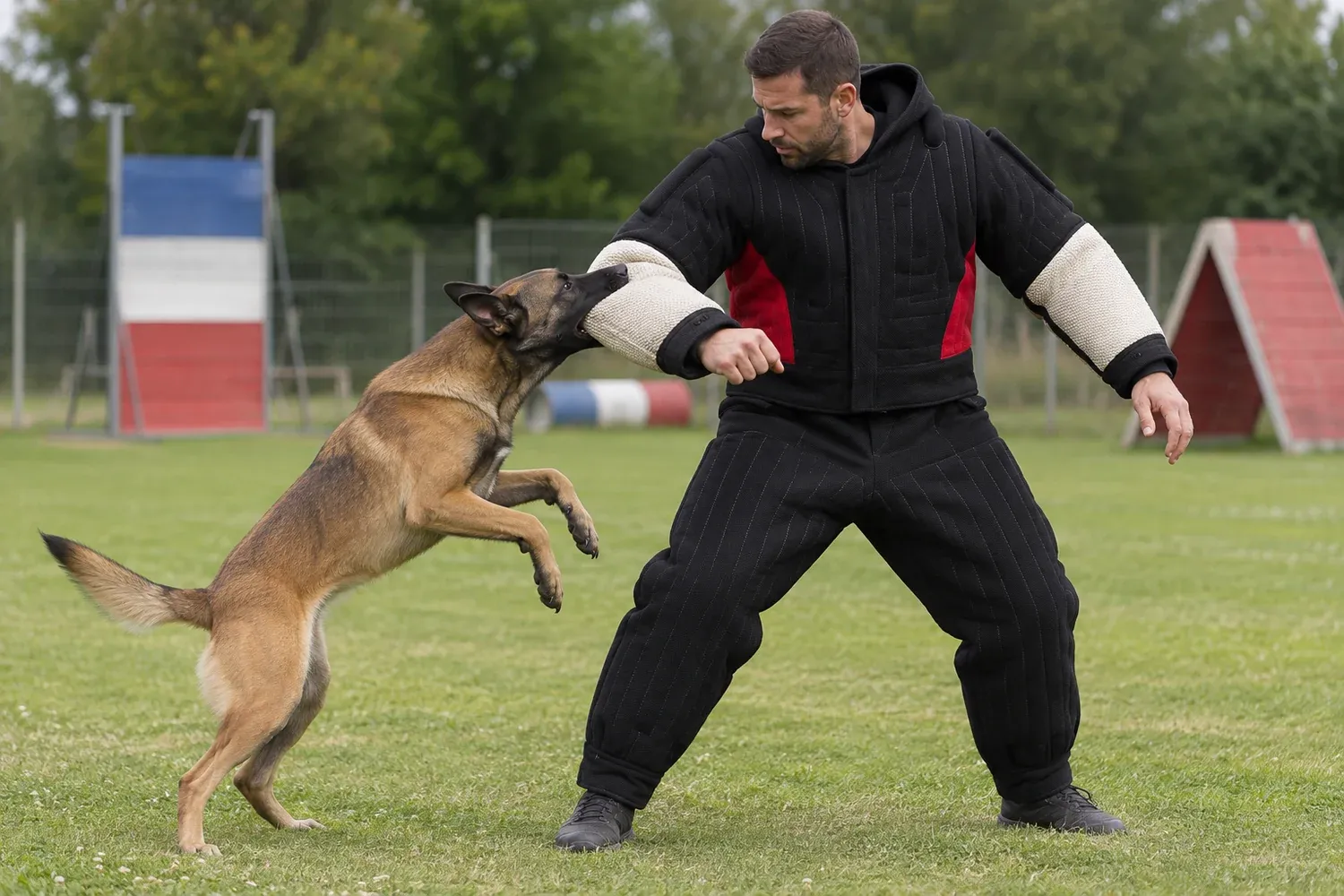
A distributor selling to police and military programmes needs different stock from a brand selling to sport clubs. The training application decides the specification: a full bite suit for decoy work, a visible sleeve for foundation bite work, and pillows and tugs graded by the dog's age and stage. Products that look interchangeable in a photograph are not interchangeable in use.
Before choosing products, write down the end user, the training system where known (for example IGP, Ring or Mondioring), and the channel — stock, made to order, or a mix. Poochin Limited is a China-based B2B company focused on professional Working K9 equipment, supporting wholesale, OEM, private label and sampling, with a core range of bite suits, bite sleeves, bite pillows and training tugs.
Build the Core Range First
A new range does not need twenty products — just the four lines that cover the training cycle.
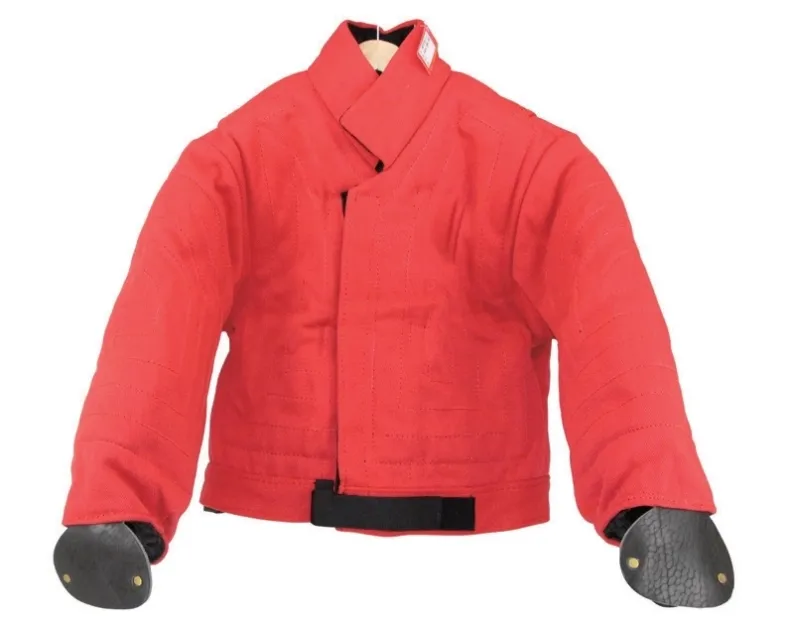
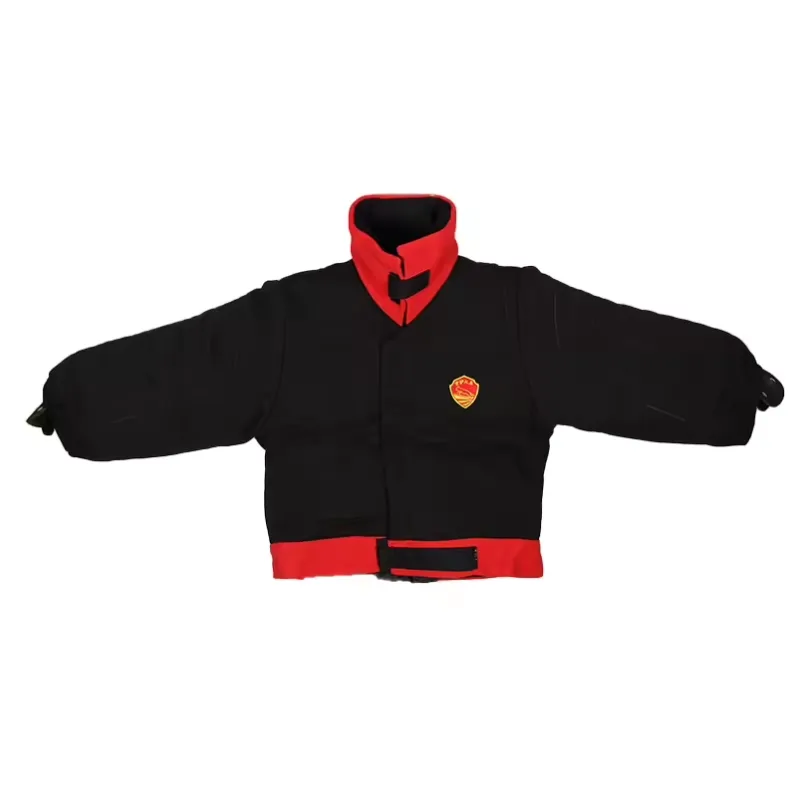
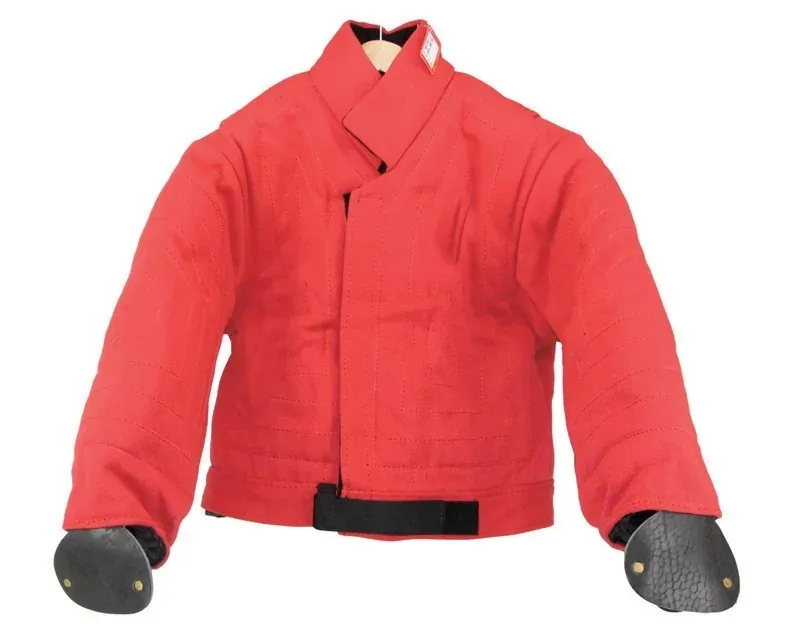
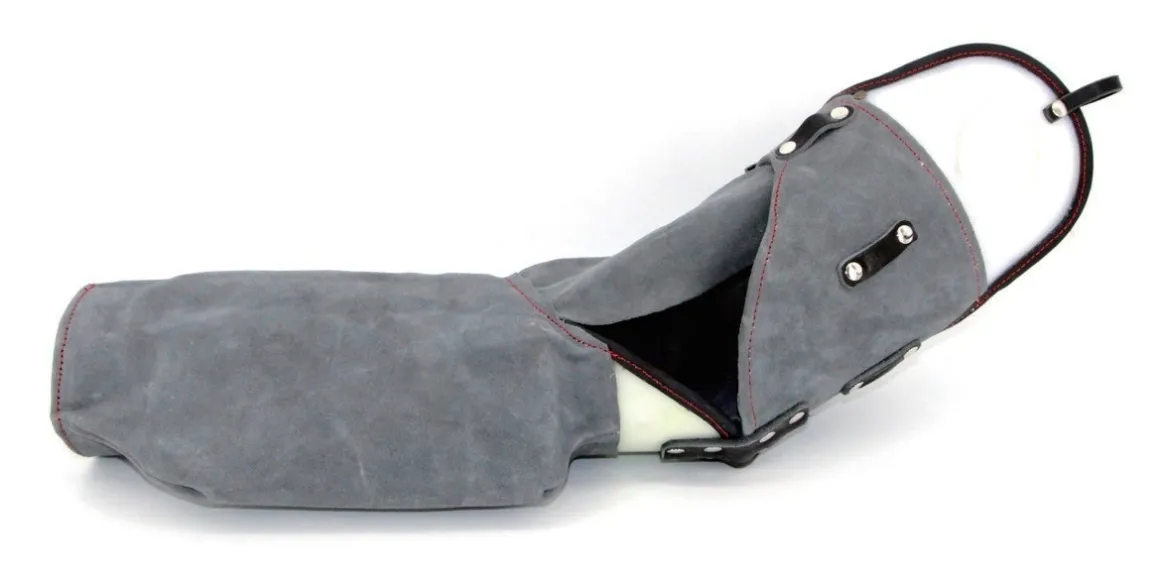
Bite suits are the anchor line: the highest-value item, the hardest to fit, and the product buyers judge a supplier on. The Professional K9 Bite Suit with Reinforced Arms and Back is a useful reference — bite-resistant fabric, thickened arms and back, and leather hand guards. Compare suits on construction, lining and closures, not only on the cover material. Bite sleeves are the volume line, bought left-hand, right-hand or paired. The Professional K9 Training Bite Sleeve shows what matters: cover, internal structure, padding and bite surface. Plan sleeves by training stage, not by colour.
Professional K9 Bite Suit with Reinforced Arms and Back.
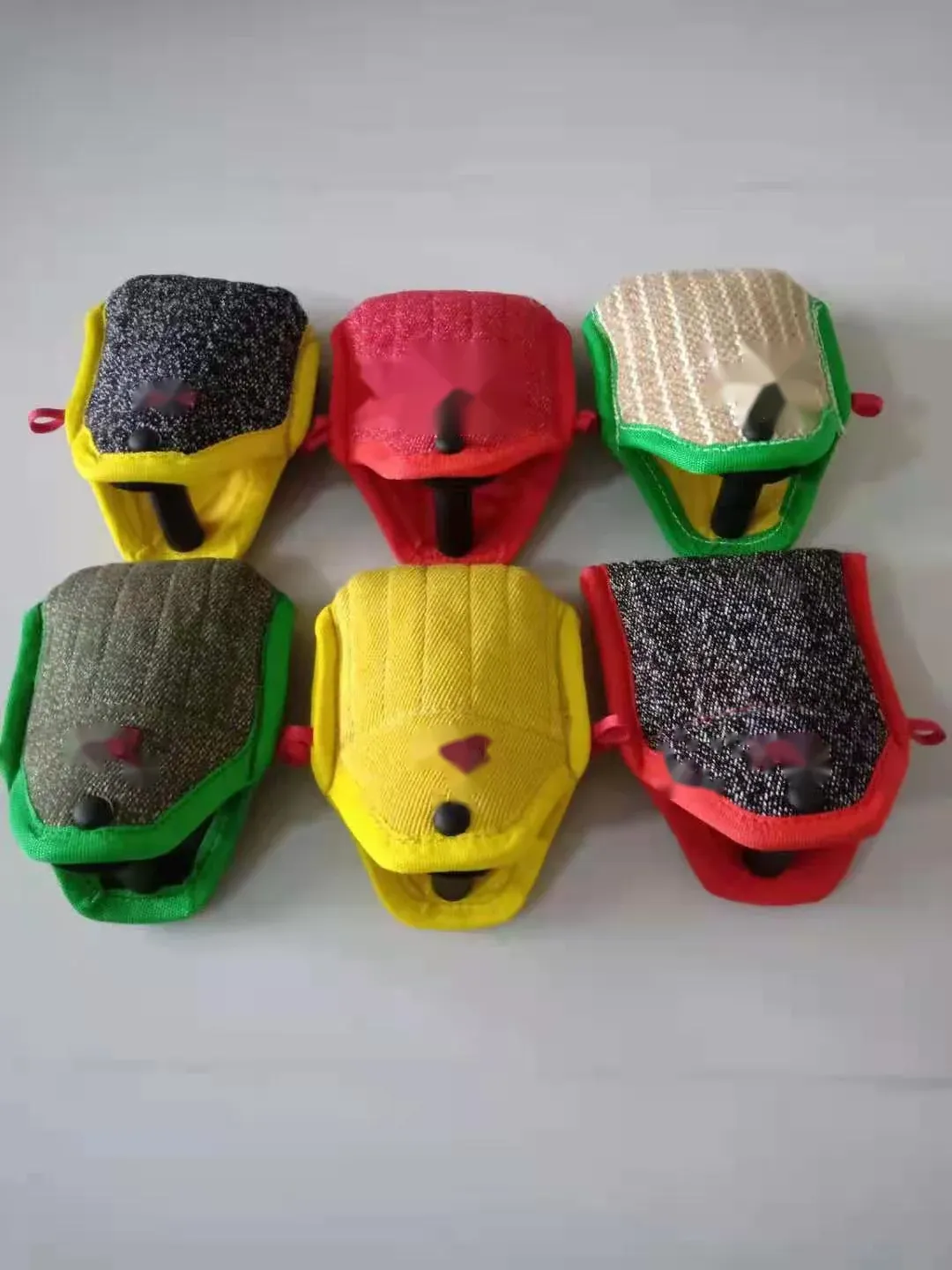
Bite pillows and tugs are the entry and repeat lines: lower in price, easier to stock, and often the first product a new customer tries. The K9 Bite Pillows & Training Wedges cover puppies from 40 days, young dogs and adults, and the Professional K9 Bite Tugs cover the same progression in a smaller form.
Product line | Role | Decide first |
|---|---|---|
Bite suits | Anchor line | Size range, reinforcement, colour |
Bite sleeves | Volume line | Left / right / both, firmness |
Bite pillows and wedges | Entry and repeat line | Age stages, handle layout |
Training tugs | Entry line | Length and diameter range |
If a line has no clear role, leave it out of the first order. A narrow range that sells through beats a wide range that ties up cash.
Private Label or OEM Development: Choose Per Line
Two branding routes exist, and the right choice is different for each line.
Private label means your logo is applied to an existing design — the fastest route to your own branded product, where the existing design already matches what your buyers need. OEM development means a product is built from your reference sample or specification, for a design that is genuinely yours. It takes longer, because it needs a sample, a review, and usually a revised sample.
A practical first range often mixes the two: private label where the existing design fits, and develop only the lines where a change is needed. Confirm logo placement, labels and packaging before production approval, and if a change affects construction or fit, review an updated sample rather than relying only on a digital artwork proof. Poochin supports both routes, with custom materials, sizes, colours, logos, labels and packaging — see the About Us page.
Materials: Name Them Component by Component
Material is the largest cost driver after size, and the most common source of misunderstanding. A single word such as leather or jute does not describe a complete product. For a sleeve, distinguish the cover, internal structure and padding. For a suit, also address panel construction, lining and closures.
Materials in Poochin's current range include jute, bite-resistant fabric, and canvas and linen-blend covers. French linen is not part of the current line, so do not list it without confirming it first. If a document specifies a named fibre or grade, request supporting documentation. Set a material standard per line in writing, so a different material becomes a defined variant. Appearance alone does not establish a level of protection; suitability should be assessed by qualified professionals.
Sizing and Colour: Plan the Mix
A range plan fails most often on sizing. A suit in only one size, or a sleeve for only one hand, will lose orders even if the price and material are right. For suits, confirm the sizes you need and whether standard sizing is enough or you want made-to-measure. For sleeves, state left-hand, right-hand or both. For pillows and tugs, state the length and diameter range.
Colour works the same way: a standard colour — for example black, red, or black and red — keeps stock simple, and every additional colour is a separate stock line.
Sampling: The Step That Protects the First Order
Sample development is part of range building, not an extra. Poochin supports prototype development and adjustments before bulk production, and quality control covers workmanship, measurements, reinforcement and final inspection. Check: does the product match the agreed dimensions, and can the user operate the closures and adjustments?
These figures are from Poochin's OEM quote guide, and should be confirmed for your project: in-stock samples can usually ship within a few days, while custom samples normally take 15 to 20 days. For custom bite suits, the guide states a minimum of 20 sets, with sizes mixed. Quotes are issued EXW, with freight arranged on request, so tell the supplier the destination country early.
First Order and Repeat Orders
A first order should prove three things: that the range sells, that the sizes and colours were the right mix, and that repeat orders can be made to the same specification. Order the core lines first, in the sizes and colours you have evidence for, and keep the specification and the approved sample on file. For repeat orders, the most valuable document is that dated specification — product reference, configuration, materials, quantity per size and customisation for each line. When a second order is placed against it, both sides work from the same version, so the second delivery matches the first.
Checklist: Before You Send Your Range Plan
- End user and channel defined for each line
- Core lines chosen, each with a clear role
- Branding route chosen per line: private label or OEM
- Materials named component by component
- Size breakdown per line, including left / right for sleeves
- Colours, logo, labels and packaging agreed in writing
- Sample plan agreed: what to check, and what counts as approved
- Product list, photos, quantity and destination market ready to send
If you can tick every box, your inquiry can move straight to pricing and sampling — see how to prepare an OEM K9 equipment quote request.
Frequently Asked Questions
Should a new distributor start with bite suits or with pillows and tugs?
Start with the lines your buyers already ask for — often pillows and tugs plus one sleeve line, with suits added once the size mix is proven by samples.
Is private label always faster than OEM development?
Usually, yes. Private label uses an existing design; OEM development needs a sample, a review and usually a revised sample. Use private label where the existing design fits.
What should I send to get an accurate price for a range?
The product list with a reference for each line, the configuration, the materials component by component, the quantity per size, the customisation, and the destination market.
Can I mix sizes within a minimum order?
It depends on the line and on whether the design is existing or custom. For custom bite suits, the OEM quote guide states a minimum of 20 sets with sizes mixed.
Tell Us About Your Range
If you are building a wholesale K9 range for your brand or distribution business, send Poochin your product list, reference photos or specifications, expected quantity per size, customisation requirements and destination market. Include the training application for each line so the configuration can be recommended instead of guessed. Contact Poochin at sales@poochin.com or via the contact page — the team can confirm options and pricing, then move to sampling.