Oct 29, 2026Working k9
Working K9 Equipment Procurement Checklist | Poochin
Compare Working K9 equipment by materials, construction, fit and documentation. Plan bite suit and sleeve purchases with a practical B2B checklist.
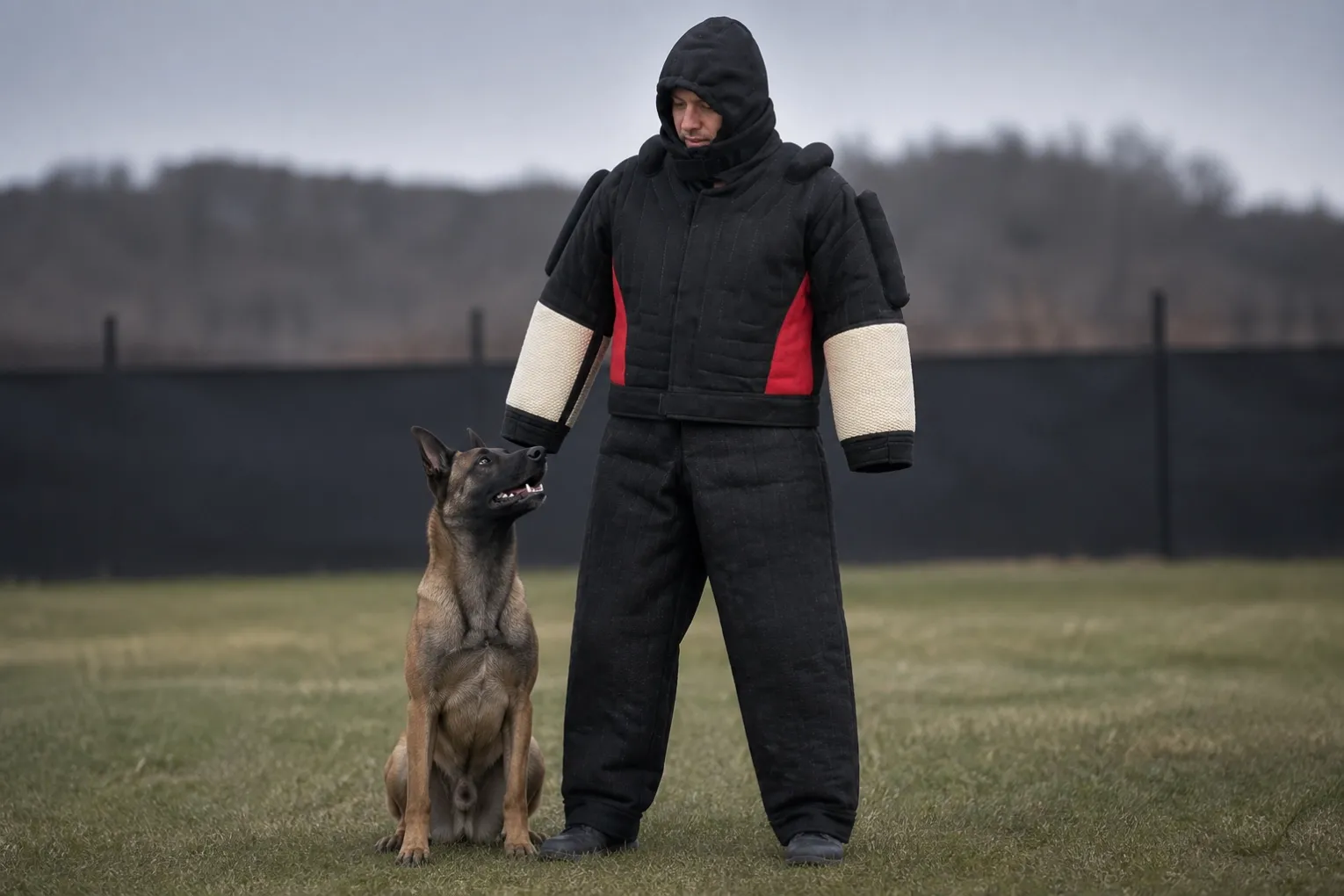
Working K9 Equipment Procurement: A Practical Checklist for B2B Buyers
Buying Working K9 equipment starts with a product list, but a reliable purchasing decision requires more than product names. A bite suit, bite sleeve or training tug can look suitable in a photograph while differing significantly in construction, fit and intended application.
For distributors, professional training businesses and OEM buyers, the first step is to turn the purchase request into a clear specification that can be reviewed, sampled and confirmed.
Planning a Working K9 equipment project? Tell Poochin about your requirements, including reference images, quantities and any technical specifications.
Start With the Training Application
Before comparing quotations, define how each item will be used.
A visible bite sleeve, a hidden sleeve and a full bite suit serve different training purposes. They should be evaluated against their intended application rather than treated as interchangeable protective products.
For each item, record:
- The intended training activity.
- The experience level and requirements of the professional user.
- The required coverage and mobility.
- The expected frequency of use.
- Any mandatory dimensions, materials or construction details.
Where protective equipment is involved, suitability should be assessed by qualified professionals against the intended use. Appearance and material descriptions alone do not establish a level of protection.
Specify Materials Beyond a Single Name
Terms such as leather, jute, synthetic fabric or neoprene are useful starting points. They do not describe the complete product.
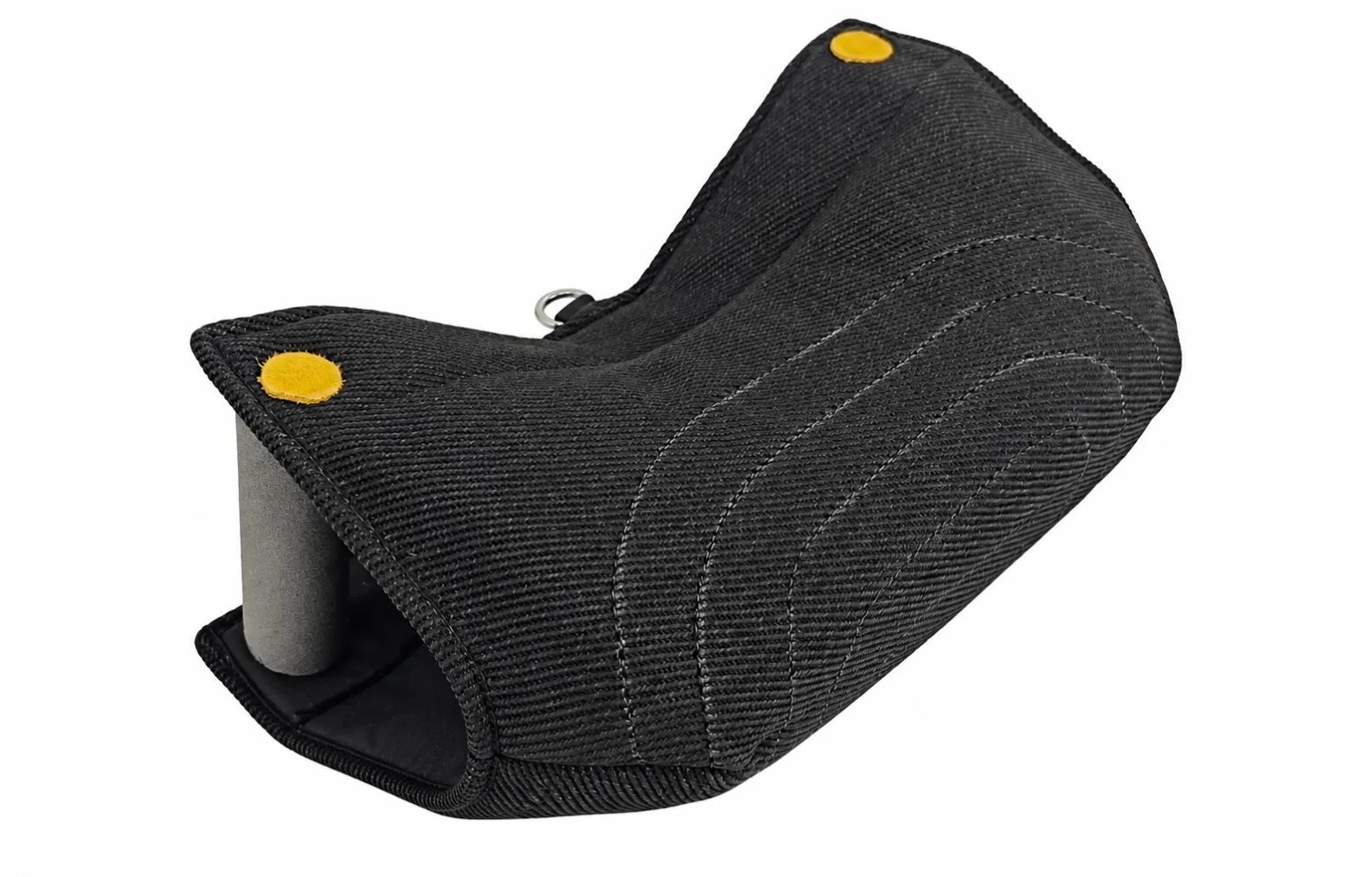
For a K9 training bite sleeve, buyers may need to distinguish the outer cover, internal structure, padding and handler-contact areas. For a bite suit, the specification may also need to address panel construction, lining and closure systems.
Ask for details about each relevant component instead of accepting a broad material label.
If a purchasing document specifies a named fiber, branded component or particular material grade, request supporting documentation. A visually similar material should not be assumed to meet the same requirement.
Compare Construction and Fit
Photographs help identify a product, but samples provide a better basis for evaluating handling and fit.
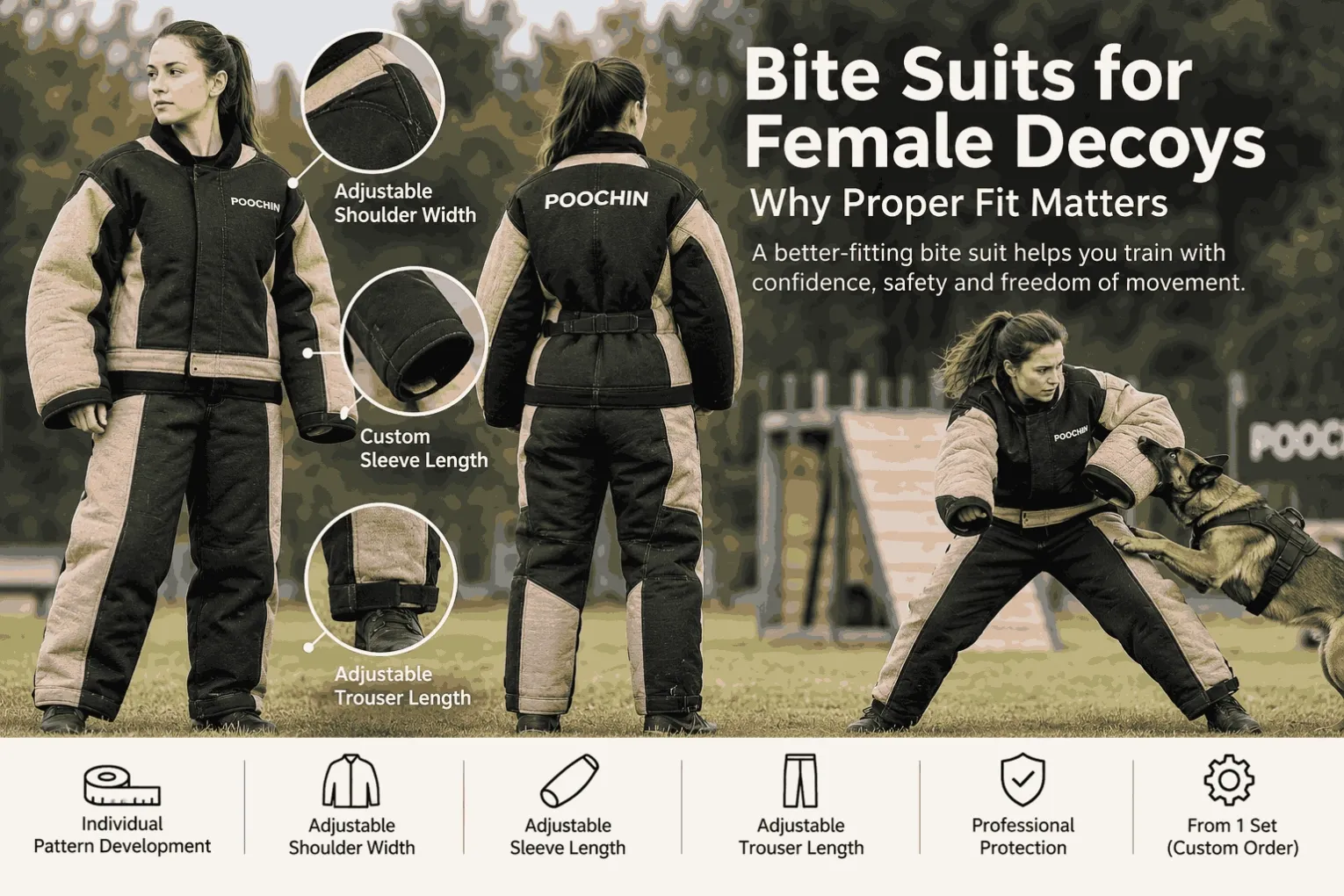
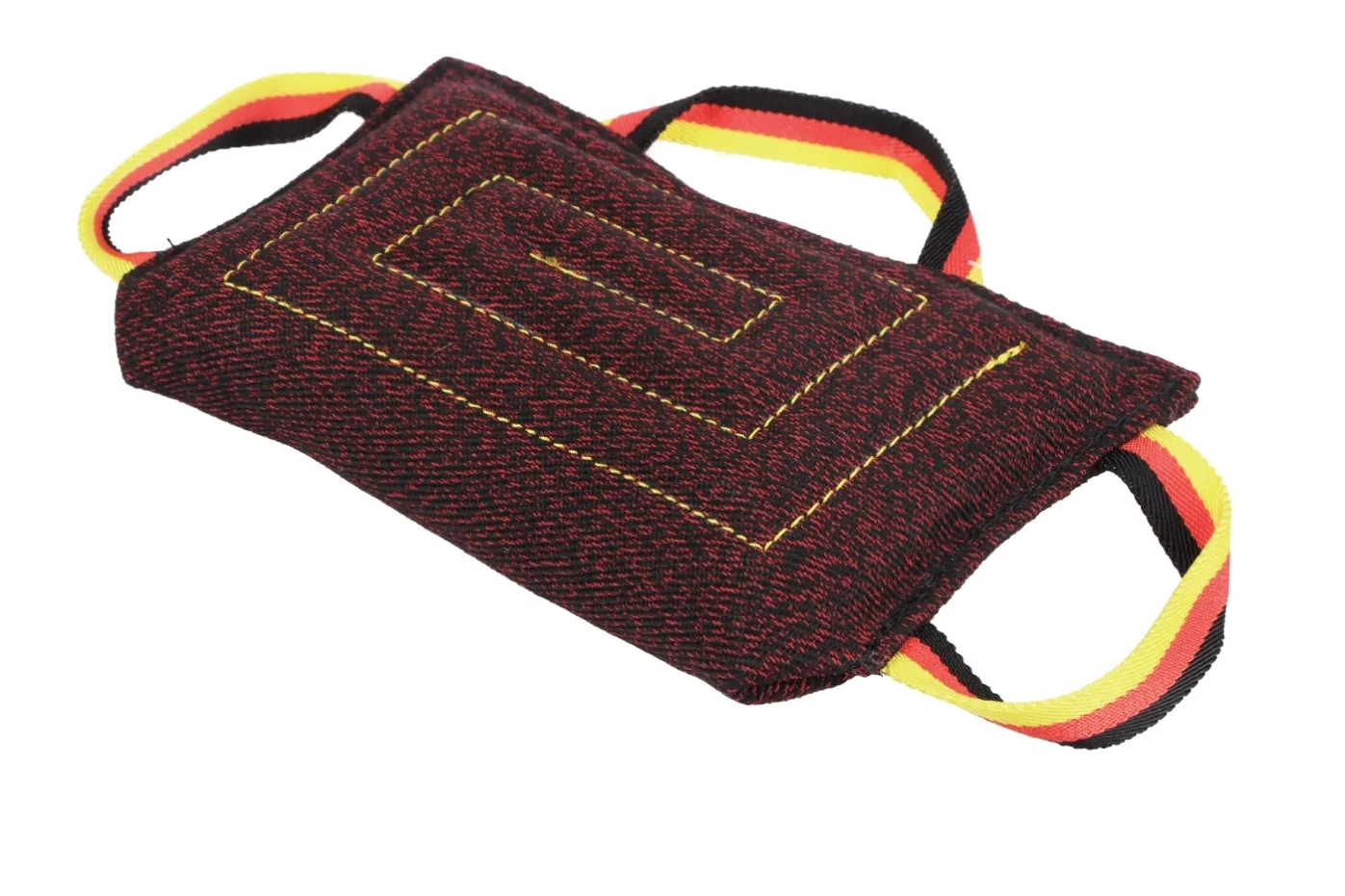
For bite suits, review the size chart, adjustment points, closures and freedom of movement. For sleeves and bite pillows, examine handles, attachment points, seams and replaceable components where applicable.
A useful sample review should answer practical questions:
- Does the product match the agreed dimensions?
- Can the user operate the closures and adjustments as intended?
- Are stitching and hardware consistent with the approved sample?
- Are the required product details documented clearly?
- Have any differences from the requested specification been identified?
Weight can be included in the specification, but it should not be used as a stand-alone measure of protection or suitability.
Keep Each Product Line Clearly Identified
A purchasing list may include bite suits, sleeves, pillows, tugs and handling accessories. Each line should have its own reference and acceptance requirements.
Purchasing field | Information to record |
|---|---|
Product reference | Model, item code or reference image |
Configuration | Size, color and required components |
Materials | Component-specific material requirements |
Quantity | Quantity per size or version |
Customization | Logo, label and packaging requirements |
Evaluation | Sample and documentation requirements |
This structure makes quotations easier to compare and reduces ambiguity when several versions of the same product are involved.
Confirm OEM Details Before Approving Production
For private label projects, customization should be included in the approved specification.
Confirm logo placement, application method, label content, size markings and packaging before production approval. If changes affect the product’s construction or fit, review an updated sample rather than relying only on a digital artwork proof.
Keep a dated specification and record which sample was approved. Subsequent changes should be documented so that both parties work from the same version.
Review Documentation Alongside the Product
Institutional purchasing projects can include requirements beyond the equipment itself.
Buyers should review the current official purchasing documents for eligibility conditions, required declarations, supporting records and any amendments. Requirements from one procurement should not be assumed to apply to another.
When an offered product differs from a requested specification, identify the difference clearly. This allows the buyer to evaluate the proposed option before an order is confirmed.
Prepare a Clear Inquiry
A complete inquiry helps establish whether a product or development project is a suitable match.
Send the product list, reference photographs or drawings, quantities, size requirements and any mandatory specifications. Include your destination market and required delivery date so these can be reviewed alongside the product requirements.
Poochin Limited is a China-based B2B dog gear company focused on Working K9 training equipment, supporting wholesale, OEM, private label, sampling and product development projects.
Our core product direction includes bite suits, bite sleeves, bite pillows and training tugs.